
The school day is not over for every student when the final bell rings. Some students catch a late bus, some depend on a caregiver’s work schedule, others head to practice, and a growing number travel to a career and technical education (CTE) program off campus. This rundown covers the most important things caregivers and districts should know before choosing an afterschool or vocational transportation solution.
Afterschool and Vocational Student Transportation: Here’s What to Know
The seven points below cover the main afterschool transportation options, the funding and access rules that shape them, and the standards worth asking about before you commit.
1. District-run late buses work best for predictable, high-volume needs
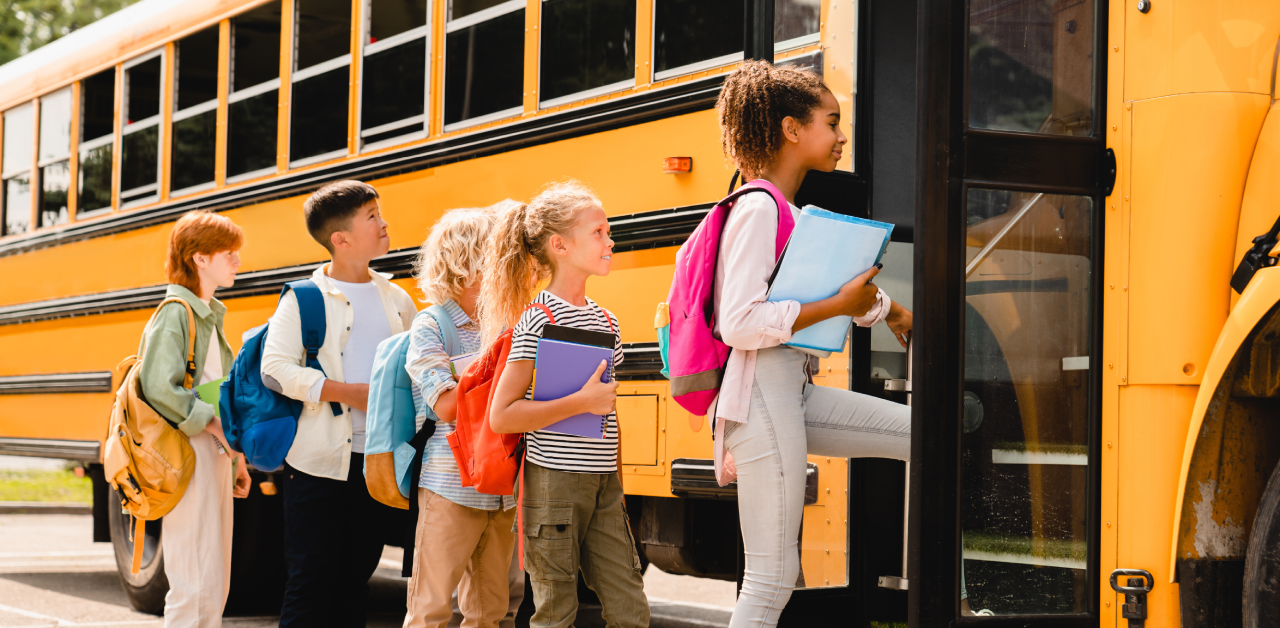
A district-run late bus is cost-effective at scale because it spreads the expense of a driver and a vehicle across many riders. The tradeoff is structure, since stops and schedules are fixed. That makes late buses a strong fit for consistent, high-volume needs such as a large tutoring program or a busy athletics schedule, and a weaker fit for students whose situations change from week to week. This is the gap Alternative Student Transportation is built to fill. It flexes where a fixed route cannot, so a district can cover a handful of changing cases without standing up a whole new fleet.
2. Caregiver-coordinated carpool platforms can stretch a district’s budget, but reliability is not guaranteed
Some districts license a carpool-coordination platform that connects verified families within the same school community so they can organize their own rides. These platforms can supplement bus routes at a lower cost than adding fleet capacity. They depend on consistent participation and availability from caregivers, and both can shift quickly with a work schedule, a new activity, or a move, which affects how stable the ride is over a semester. Carpool platforms place the reliability risk on families. Alternative Student Transportation keeps that reliability with a professionally vetted driver, which matters most for students who depend on a predictable routine.
3. Alternative Student Transportation matches the right ride to the right student
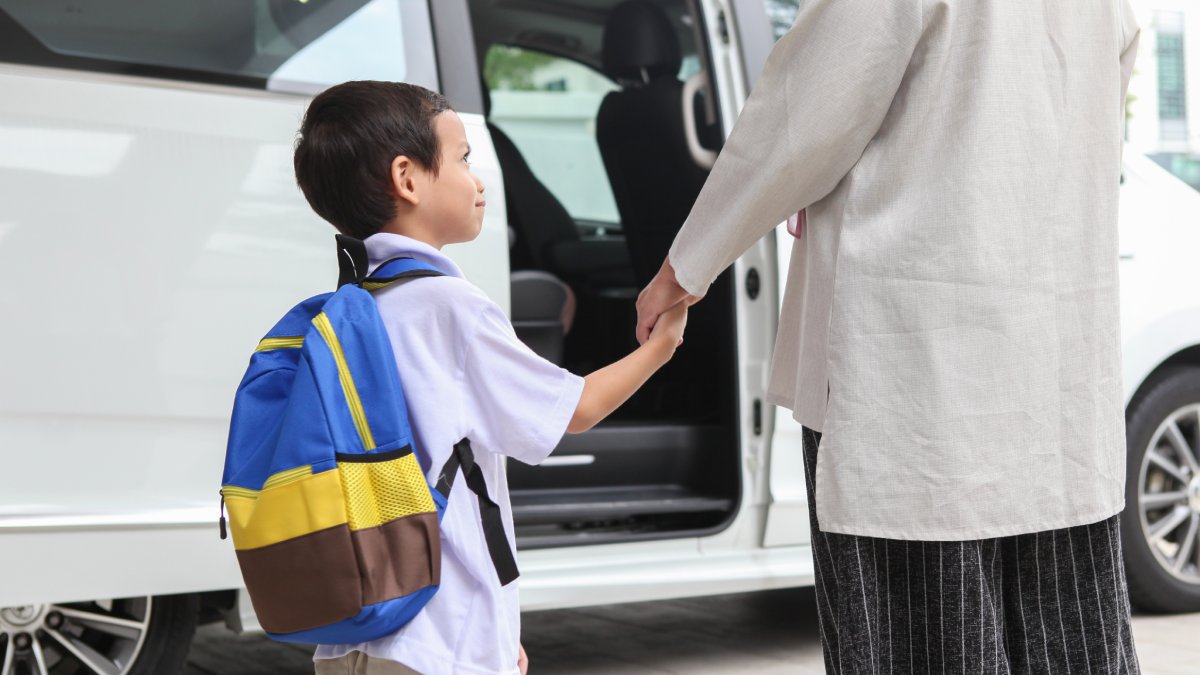
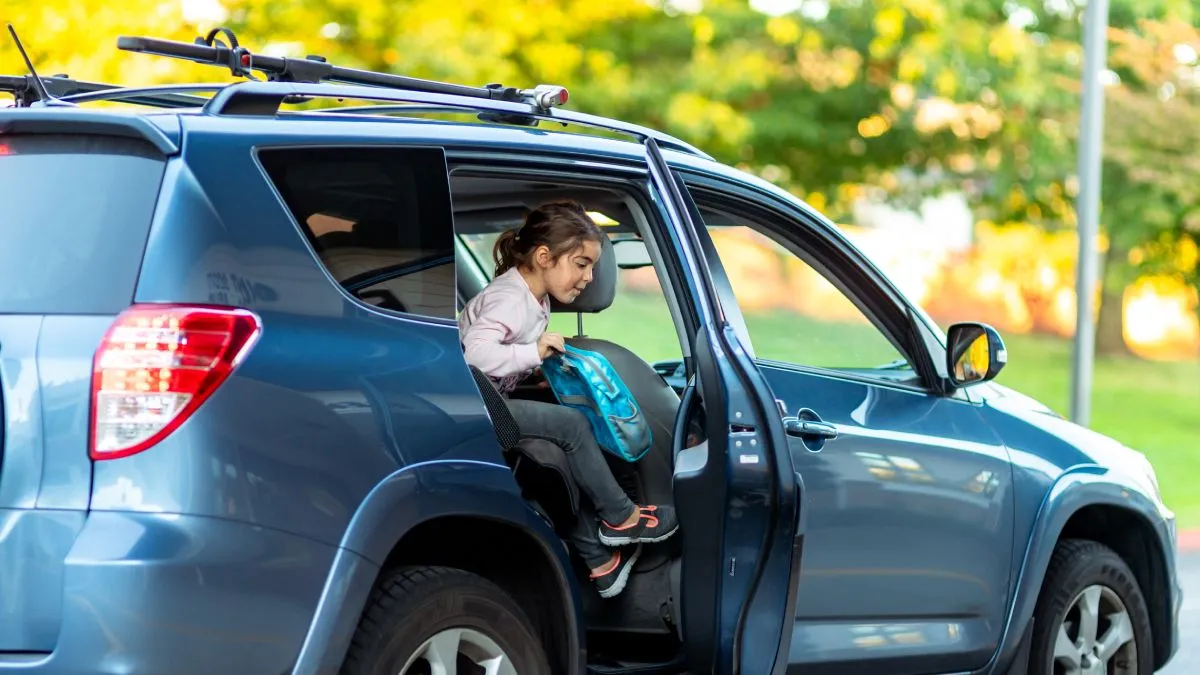
Alternative Student Transportation complements yellow bus service, typically using small-capacity vehicles such as minivans, SUVs, and sedans. It is built for students that traditional options struggle to serve well, including students with disabilities, students experiencing housing instability, medically fragile students, and students with shifting schedules or addresses. The model matches the right ride, the right mode, and the right driver to each student’s circumstances, backed by consistent vetting and reporting. The same approach also supports general education students and school-choice situations such as magnet school programs, charter schools, and out-of-district placements that a fixed route does not reach.
4. Vocational and CTE placements are an overlooked transportation gap
CTE often takes place away from the home school, at regional centers, community colleges, and employer sites. A lack of transportation is one of the external barriers that can shut students out of CTE programs and lower completion rates. In a National Center for Education Statistics report, 20% of districts called transportation for work-based learning a large or very large barrier to student participation. Funding may help. Perkins V lets local recipients reduce out-of-pocket costs, including transportation, for students in special populations who take part in college-in-high-school programs with a CTE focus, and Title I set-aside funds under the Every Student Succeeds Act (ESSA) can cover certain excess transportation costs for students experiencing homelessness. Allowable uses vary by state and by a district’s approved plan, so districts should confirm details with their state education agency or CTE coordinator. When the ride is dependable, students can give their full attention to career preparation and academic goals.

5. Federal protections shape afterschool planning for students experiencing housing instability and students in foster care
McKinney-Vento rights for students experiencing housing instability include transportation to the school of origin and access to academic and extracurricular activities. ESSA adds a requirement that districts receiving Title I, Part A funds work with child welfare agencies on written procedures for how school-of-origin transportation for students in foster care will be provided, arranged, and funded. Afterschool planning gets more complicated for these students because a placement or address can change with little notice, and the pickup location changes with it. Flexible routing that can start, pause, or reroute as circumstances change helps districts honor these commitments without rebuilding routes each time. A related guide to transportation for students in foster care covers the requirements in more detail.
6. Reliable rides open the door to participation
America After 3PM, the Afterschool Alliance’s national household survey, found that parents and guardians of nearly 30 million children want afterschool programs for them, and nearly half of parents (49%) cite the lack of a safe way to get to and from programs as a barrier. EverDriven’s research report, Transportation Consistency Is a Lifeline for Students with Additional Needs, points in the same direction. In that study, 63% of caregivers said their child would join more clubs and activities with a reliable ride, and 41% of teachers said students with additional needs take part in extracurricular activities at a lower rate than their peers. A consistent driver on a predictable schedule makes afterschool programs something a family can plan around.
7. Ask the same safety and communication questions after school that you ask in the morning
Afterschool and vocational rides often start from varied locations at varied times, so the details matter. Whether a caregiver or a district is choosing a solution, the essentials are the same: how drivers are vetted and monitored, whether vehicles are inspected, whether the ride can be tracked in real time, and whom to call when a plan changes. A provider that can answer those questions with documentation gives districts an auditable record and gives caregivers and families confidence in every pickup.

What Factors Affect the Cost of Afterschool Transportation?
The cost of afterschool transportation depends on the type of service and how consistent the need is. A fixed late bus spreads its cost across many riders, so the cost per student falls as ridership rises. Individualized or on-demand options usually cost more per trip because they serve fewer students with a dedicated vehicle and driver. Distance, vehicle type, driver availability, and the number of days a route runs all shape the total. Providers that group students onto shared vehicles where routes allow, and bill per trip rather than per student, can lower the cost per student served.
Budget pressure shapes these decisions. In The State of Student Transportation: 2026/27 Budget Survey, 65% of directors named controlling costs while maintaining service levels as a top priority, and 32% expected their budgets to decrease. Alternative Student Transportation gives districts a way to cover specific, high-need routes without the capital cost of adding buses or hiring drivers who hold commercial licenses.
How Does EverDriven Support Afterschool Transportation for Districts?
EverDriven, a provider of Alternative Student Transportation, supports afterschool and vocational trips with the same standards it applies to every ride.
Consistent Drivers for Every Route
Unfamiliar drivers and unpredictable timing can turn a pickup into a source of anxiety, especially for students who rely on routine. EverDriven keeps the same driver on the same route whenever possible. In EverDriven’s 2026 Safety and Operations Report, more than 80% of rides for students with disabilities were completed by the same driver.
Verified Safety and Compliance Standards
Every driver servicing EverDriven trips must complete pre-service drug testing, multi-layered background checks that include the National Sex Offender Registry, and a motor vehicle record review, followed by ongoing monitoring. Every vehicle must pass an annual safety inspection by a certified third party. EverDriven’s operational standards align with applicable state and Department of Education requirements for small-capacity vehicles, and Service Provider onboarding aligns with district requirements.
Real-Time Visibility with RideAware and TripCentral
Districts manage and track trips through TripCentral, including each student’s individual transportation requirements and trip progress in real time. Caregivers and families follow pickup, drop-off, driver, and vehicle details through RideAware, and local field teams and a U.S.-based call center are available when plans change.
If your district is weighing options for afterschool, CTE, or other hard-to-serve routes, contact EverDriven to talk through what a consistent, well-documented solution could look like for your students.
FAQs
How do caregivers request afterschool or vocational transportation for their child?
Start with the school, the district transportation office, or the student’s IEP team, McKinney-Vento liaison, or child welfare caseworker. The district reviews eligibility and submits the request to its transportation provider, and caregivers can follow approved rides in RideAware.
Is afterschool transportation available for students at private or charter schools?
State law and local agreements determine who is responsible for transportation to private and charter schools, so families should ask the school and the district transportation office which one arranges rides. Once the responsible party requests service, an Alternative Student Transportation provider can support the route.
How far in advance should a district set up afterschool transportation?
Districts get the most stable start by setting up known afterschool and CTE routes before the school year begins, once program schedules and locations are confirmed. Mid-year changes are common, and EverDriven can activate new service in hours when a student’s situation changes.

Courtney Pallotta is an energetic, customer-driven marketing executive with more than 20 years of experience leading go-to-market strategy, branding, product marketing, demand generation, and customer advocacy for startup and growth-stage companies. As CMO at EverDriven, she leads the GTM team in delivering modern, student-centered transportation solutions that meet every student’s unique needs.
Courtney has built and scaled marketing functions across some of the most dynamic enterprise technology categories, from data warehousing and analytics to cloud infrastructure, data privacy, and SaaS. She has taken companies from stealth through IPO, led acquisitions, launched open-source platforms, and consistently built marketing engines that drive pipeline and market position. Along the way, she has developed a deep belief that the best marketing is both simple and authentic, and that listening to customers is the foundation for great products and lasting communities.
Outside of EverDriven, Courtney serves as a Board Member at the Gilliam Center for Entrepreneurship, where she mentors the next generation of business leaders.