When people picture student transportation, the yellow school bus usually comes to mind. Buses remain essential for large, dense routes, but they often do not fit the reality of Texas charter schools. Many Texas charters serve students spread across enormous metro areas or rural regions, operate on lean budgets, and enroll a higher share of students with specialized transportation needs. In that context, small-capacity vehicles, including sedans, SUVs, and vans, are becoming a critical part of how Texas charters meet their transportation obligations.
Why Buses Alone Do Not Work for Texas Charters
Buses are cost-efficient for moving large groups of students along dense, predictable routes. That model rarely applies cleanly to Texas charters. Students may come from dozens of zip codes across Houston, Dallas, or San Antonio, waitlists move throughout the year, and enrollment can swing significantly from one semester to the next. Running a large bus for a handful of students scattered across a sprawling metro is neither practical nor sustainable, even when state law requires the school to get those students to class.
Small-capacity vehicles solve this problem by filling the gaps. They let Texas charter schools respond quickly to enrollment shifts, handle specialized trips like ride-alone service for a student with autism, and stay cost-effective when student numbers are too small to justify a bus. Instead of placing every student into a bus-only model, Texas charters can build a hybrid system that adapts to how their families live, while still satisfying their state transportation requirement.
Which Students Benefit Most?
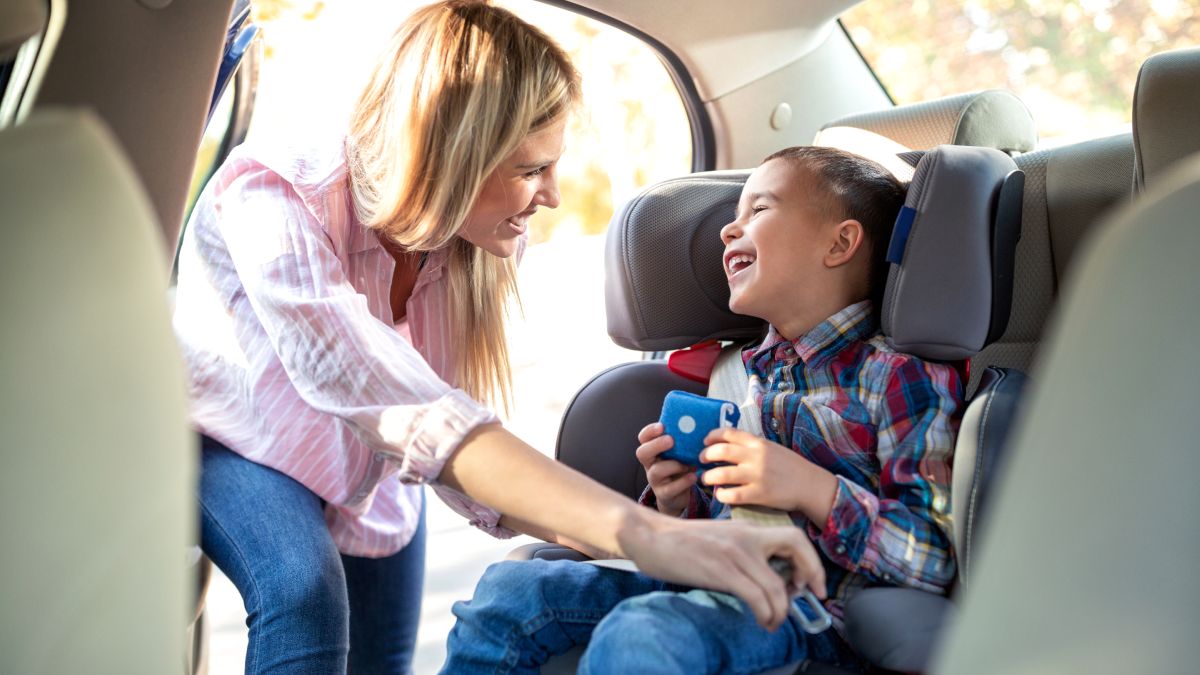
Small-capacity vehicles serve populations that buses cannot easily reach. Students with disabilities often have IEPs that call for ride-alone service or sensory accommodations, and a quieter car or van can provide a calmer environment. Medically fragile students may need a vehicle equipped for oxygen tanks, wheelchair securement, or temperature-sensitive conditions. Students experiencing homelessness and students in foster care often move mid-year, and a van can be rerouted quickly without disrupting an entire bus line. Early learners in preschool and kindergarten programs often need car seats or booster seats, which vans accommodate more easily than a standard bus. Families in rural parts of the Rio Grande Valley, the Panhandle, or East Texas may live somewhere a full-size bus simply cannot run cost-effectively. And a handful of students in an extended-year or after-school program rarely justify running a half-empty bus, while a small vehicle keeps the cost in line with actual demand.
For these students, a small-capacity vehicle is often the difference between consistent attendance and chronic absence.
Safety and Accountability
Caregivers understandably ask whether small-capacity vehicles are as safe as buses. The answer depends on the safeguards a provider has in place. Best-practice models rely on rigorous driver vetting, including multi-layered background checks, drug testing, and driving record reviews. Drivers also need education in sensitivity and disability awareness so they can work effectively with students who have behavioral, sensory, or medical needs. Vehicles themselves should undergo the same level of scrutiny as buses, with inspections covering everything from seat belts to first aid kits, and schools should require documentation that these checks happen consistently. Technology rounds out the picture. GPS tracking, onboard cameras, and caregiver-facing trip apps give administrators and families real-time visibility into every ride.
With these safeguards in place, small-capacity vehicles can meet, and in many cases exceed, the safety standards Texas charter families expect.
Financial and Operational Advantages
For Texas charters operating on lean budgets, small-capacity vehicles offer clear financial advantages. Pay-per-trip pricing means schools pay only for the rides they use, avoiding the overhead of a fleet that sits idle much of the day. Routes can scale up or down quickly as enrollment shifts, which matters for charters with volatile or mid-year waitlist admissions. Many providers also structure contracts without rigid minimums, giving Texas charter leaders room to expand during peak enrollment periods and pull back when demand drops. The key is building route optimization into any contract, so schools are not paying for trips that could easily be combined, and so the transportation they provide holds up against their obligation under state law.
Why This Matters for Texas Charter Leaders
The rise of small-capacity vehicles reflects a broader shift already underway in Texas education: one size no longer fits all. Just as the state’s charter schools, from IDEA Public Schools to KIPP Texas, Harmony Public Schools, and YES Prep, were founded to offer families an alternative to a single neighborhood school, their transportation systems need the same flexibility. A student who cannot reliably get to school cannot benefit from the academic program a charter built for them.
Small-capacity vehicles bring flexibility, equity, and cost-efficiency to a state with one of the largest charter sectors in the country. For Texas charter schools, they represent a practical way to meet a legal obligation most other states don’t impose, ensuring every student, whether they live in downtown Houston or a rural stretch of the Rio Grande Valley, has a reliable path to the classroom.

Courtney Pallotta is an energetic, customer-driven marketing executive with more than 20 years of experience leading go-to-market strategy, branding, product marketing, demand generation, and customer advocacy for startup and growth-stage companies. As CMO at EverDriven, she leads the GTM team in delivering modern, student-centered transportation solutions that meet every student’s unique needs.
Courtney has built and scaled marketing functions across some of the most dynamic enterprise technology categories, from data warehousing and analytics to cloud infrastructure, data privacy, and SaaS. She has taken companies from stealth through IPO, led acquisitions, launched open-source platforms, and consistently built marketing engines that drive pipeline and market position. Along the way, she has developed a deep belief that the best marketing is both simple and authentic, and that listening to customers is the foundation for great products and lasting communities.
Outside of EverDriven, Courtney serves as a Board Member at the Gilliam Center for Entrepreneurship, where she mentors the next generation of business leaders.