
Safe student transportation is often discussed as a matter of accident prevention, but that definition no longer reflects the reality districts face. Today, safety is broader and more operational. It includes how districts vet drivers, monitor vehicles, communicate with families, and maintain accountability when conditions change.
Student transportation models are evolving alongside student needs. Districts now serve more students with disabilities, students experiencing housing instability, medically fragile students, and students placed outside their home districts. Many of these students cannot be served by fixed routes or traditional bus schedules. As a result, Alternative Student Transportation has become a necessary extension of district operations.
This article explains what safe student transportation really means today. It examines traditional safety standards, the risks and responsibilities introduced by alternative transportation models, and the concrete criteria districts should use when evaluating providers tasked with transporting their most vulnerable students.
Why Safe Student Transportation Matters
Transportation is one of the few systems that touches students every school day, regardless of grade level or academic program. When it works well, it creates stability. When it fails, the consequences are immediate and visible.
- For students, safe transportation supports emotional well-being and trust. Consistency matters, especially for students with disabilities or those experiencing housing instability. Knowing who will arrive, when they will arrive, and what the ride will be like reduces stress before the school day even begins.
- For families, transportation safety is closely tied to confidence. Parents and guardians need assurance that drivers are properly vetted, vehicles meet safety standards, and there is visibility into each trip. Without that transparency, even compliant transportation can feel uncertain.
- For districts, safe student transportation is a matter of risk management and equity. Transportation gaps can lead to missed instructional time, compliance exposure under IDEA or McKinney-Vento, and disproportionate impact on already vulnerable student populations. Safety is foundational to access.
Traditional School Bus Safety Regulations
The yellow school bus remains the most regulated form of student transportation in the United States. Its safety record is the result of decades of federal guidance, state regulation, and district-level oversight.
Each state establishes requirements for school bus driver qualifications, training, and certification. Vehicles are subject to routine inspections to confirm mechanical integrity and compliance with safety standards. Operational procedures govern loading and unloading, route consistency, and traffic enforcement.
Districts often layer additional policies on top of state and federal requirements. These may include local training programs, safety drills, and technology adoption. Together, these safeguards create predictability and confidence for families and school staff.
Because these systems are well established, they are rarely questioned. However, they are designed for a specific transportation model. As districts increasingly rely on alternative transportation to serve students who cannot ride traditional buses, the question becomes unavoidable. How is safety regulated when transportation looks different, and what guarantees exist when drivers are not district employees?
How Alternative Student Transportation Providers Take Safety to the Next Level
Alternative Student Transportation introduces flexibility, but it also introduces risk if safety systems are not designed intentionally. Regulatory requirements for small capacity vehicles vary widely by state and are often less prescriptive than those governing school buses.
At EverDriven, safe student transportation is treated as a system rather than a single safeguard. The EverDriven Safety Commitment establishes consistent standards across driver vetting, vehicle safety, operational protocols, and technology. These standards are designed to meet or exceed applicable federal and state regulations, while addressing the practical realities of transporting students with complex needs.
The EverDriven Safety Commitment serves as a framework districts can use when evaluating any alternative transportation provider. It focuses on four core areas: driver qualifications and education, vehicle safety and maintenance, operational policies and procedures, and technology enabled transparency.
Driver Qualifications, Identification, and Education
Drivers play a central role in student safety, particularly in small capacity vehicles where there is no separation between the driver and passenger. EverDriven requires all drivers to complete comprehensive screening requirements. These include federal background checks, pre-service drug testing, motor vehicle record reviews, and ongoing monitoring. According to the Safety and Operations Report, 100% of drivers completed pre-service drug testing and multi-layered background checks, including the National Sex Offender Registry.
Drivers also complete a comprehensive education course, designed specifically for Alternative Student Transportation. The course covers defensive driving, safety equipment installation, and sensitivity practices for supporting students with unique needs. Ongoing education is required, and 100% of drivers completed continuing education in safety protocols during the Safety and Operations Report’s reporting period.
Drivers are easily identifiable while transporting students. Vehicles display EverDriven window stickers, and drivers wear branded safety vests so school staff and families know who is responsible for each trip.
Vehicle Safety and Maintenance
Safe transportation begins with safe vehicles. EverDriven requires every small capacity vehicle to pass a 50-point inspection and an annual inspection by a certified third-party mechanic.
During the Safety and Operations Report reporting period, 100% of vehicles passed annual safety inspections by certified third parties. Vehicles are also subject to random quality checks, which evaluate cleanliness, equipment, and overall readiness. More than 6,000 of these checks were performed during the school year.
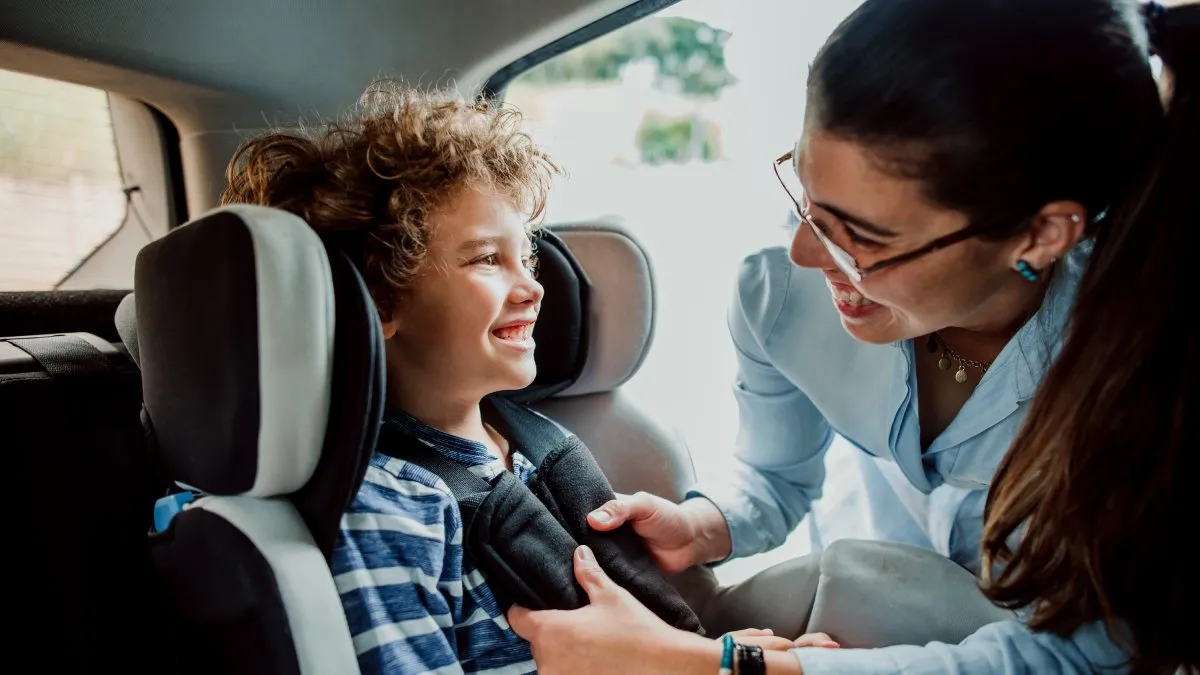
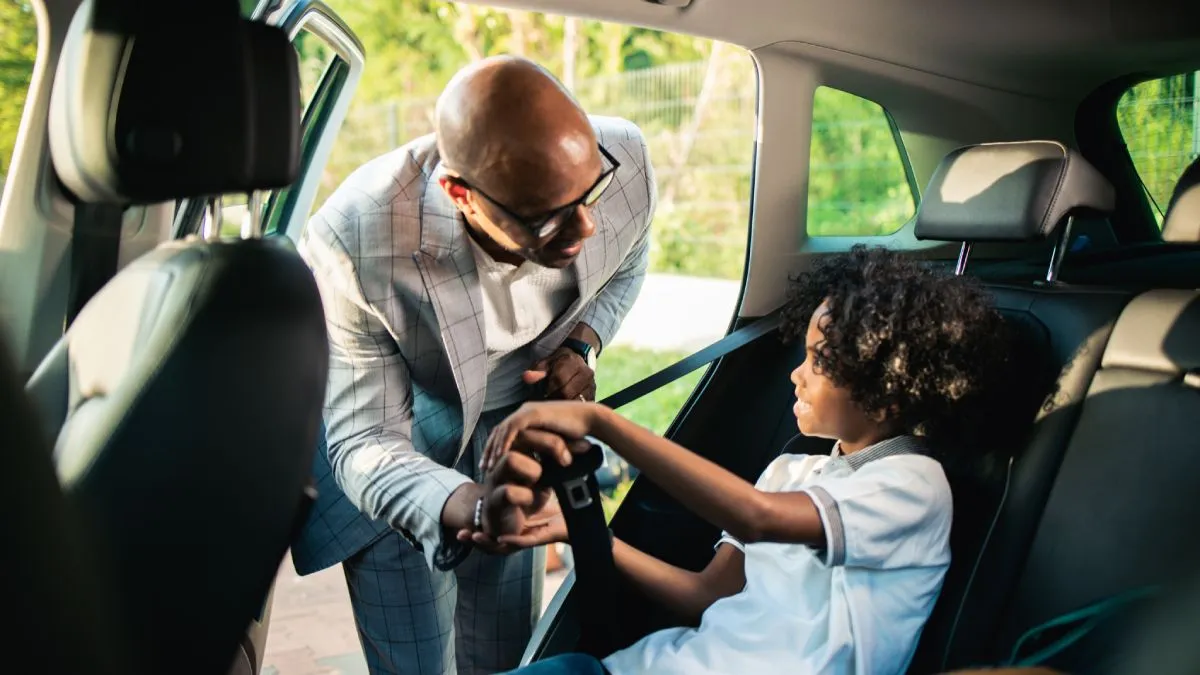
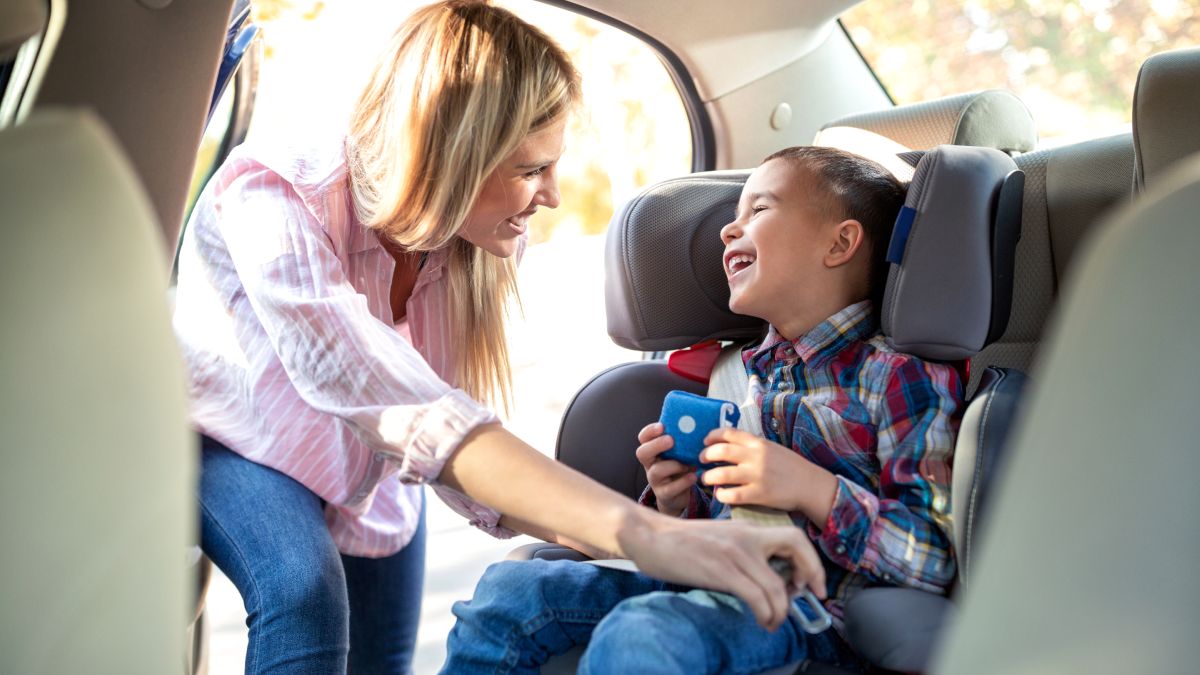
Vehicles are equipped with the required safety equipment based on student needs. Drivers receive training on the proper installation and use of car seats, harnesses, buckle guards, and other specialized equipment. In-ride cameras are installed, with dozens of districts adopting EverDriven’s camera solution as an added accountability measure.
Operational Policies and Procedures
Operational consistency is a core component of student safety. EverDriven’s guidelines define how trips are conducted before, during, and after each ride.
Before a trip begins, drivers conduct a vehicle inspection to confirm safety equipment is installed correctly and the vehicle is ready to transport a student. During the trip, only authorized passengers are permitted, and only district-approved stops are allowed.
Whenever possible, the same driver is assigned to the same student. This consistency helps students build trust and reduces anxiety. During the Safety and Operations Report reporting period, more than 70% of trips for students with disabilities were maintained with the same driver.
After each trip, drivers check vehicles for student belongings. Additional precautions are taken during adverse weather conditions to reduce risk.
Technology for Safe Student Transportation
Technology adds transparency and accountability to student transportation. EverDriven uses technology to give districts and families visibility into each trip.
- EverDriven’s TripCentral allows districts to request transportation, securely manage student information, and view schedules, driver details, and vehicle information. GPS tracking provides real-time insight into trip status and student location.
- The EverDriven VIP App extends that visibility to families and school staff. It provides GPS- enabled tracking, driver and vehicle details, and geofencing to ensure trips follow approved routes.
The Latest Student Transportation Safety Stats
Data plays a critical role in understanding transportation safety at scale. According to the EverDriven Safety and Operations Report, more than two million trips were completed between April 1, 2024 and March 31, 2025. During that period, 99.99% of trips were completed without accident, major or minor.
EverDriven transported more than 31,000 students across 34 states, covering over 33 million miles. Operational reliability remained high, with more than 90% of trips arriving within five minutes of the scheduled drop-off time.
These figures demonstrate that Alternative Student Transportation, when governed by consistent safety systems, can operate at scale without sacrificing reliability or accountability.
Safe Student Transportation in Practice: A District Example
Stockton Unified School District serves nearly 40,000 students across a large and diverse geographic area. The district supports a high number of McKinney-Vento and foster youth students whose transportation needs change frequently due to housing instability and inter-district placements.
When district leadership evaluated existing transportation arrangements, safety and vetting gaps became apparent. Small local providers lacked consistent standards and national scale. The district selected EverDriven based on driver vetting rigor, ability to scale during demand spikes, strong communication, and flexibility for cross-district routing.
Since partnering with EverDriven, Stockton has maintained consistent transportation for its most vulnerable students, even during periods of high mobility. For district leaders, success is measured by continuity of service and confidence that students receive the transportation they are legally entitled to without disruption.
When It Comes to Safe Student Transportation, EverDriven Sets the Standard
Safe student transportation is often overshadowed by what happens inside the classroom, yet it is a prerequisite for learning. As districts adopt hybrid transportation models that combine buses, vans, and contracted services, safety systems must evolve accordingly.
Alternative Student Transportation plays a critical role in serving students with disabilities, those experiencing homelessness, medically fragile students, students living in rural areas, and more. EverDriven sets the standard by applying consistent safety practices across driver vetting, vehicle monitoring, operational guidelines, and technology.
By maintaining high safety standards, investing in driver education, and operating with transparency, EverDriven provides districts and families with confidence. Safe student transportation is not defined by the vehicle alone. It is defined by the systems that support every mile.
Common FAQs
What makes student transportation safe versus just compliant?
Compliance focuses on meeting minimum regulatory requirements. Safe student transportation goes further by building systems that prioritize consistency, visibility, and accountability across every trip.
How do districts measure transportation safety?
Districts evaluate safety using a combination of incident rates, driver vetting standards, vehicle inspection results, on-time performance, and transparency into daily operations.
What safety requirements should alternative transportation vendors meet?
Vendors should demonstrate rigorous driver screening, ongoing education, third-party vehicle inspections, clear operational protocols, and technology that provides real-time visibility to districts and families.

Stephanie Sanders is a seasoned sales leader with more than 15 years of experience building teams, opening markets, and driving growth across SaaS and technology companies. As Regional Sales Director for the East Coast at EverDriven, she brings that track record to a mission that matters, ensuring every student has safe, reliable access to school.
Stephanie built her foundation in sales development and business development, mastering the prospecting and pipeline discipline that would anchor her leadership style for years to come. She went on to hold sales management and director roles across a range of high-growth technology companies, spanning video technology, talent management, supply chain risk, workplace software, home health, and contract management, developing broad expertise across vertical SaaS markets and both the Boston and New York corridors. Most recently, she led the full commercial operation across North America for a contract management platform, overseeing new business development, retention, and growth for three years.
Across every chapter of her career, Stephanie has demonstrated an ability to build from the ground up, scale what’s working, and lead teams through the complexity that comes with growth. She brings that same energy and discipline to EverDriven, partnering with school districts on the East Coast to deliver transportation solutions that put students first.