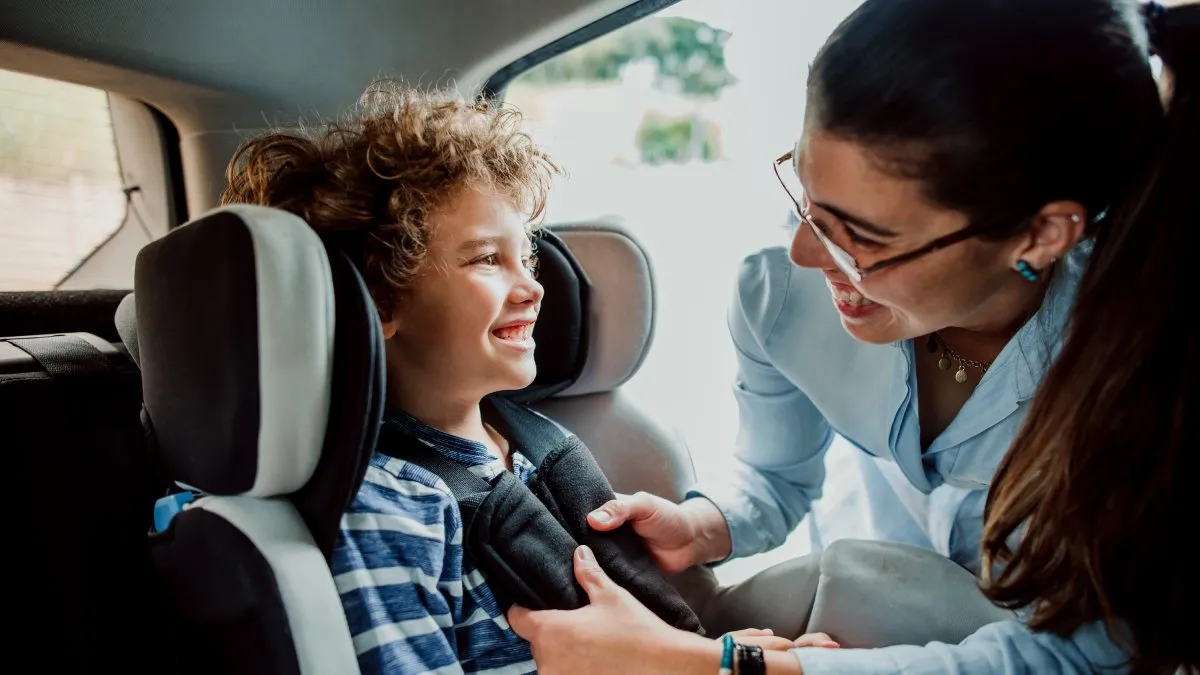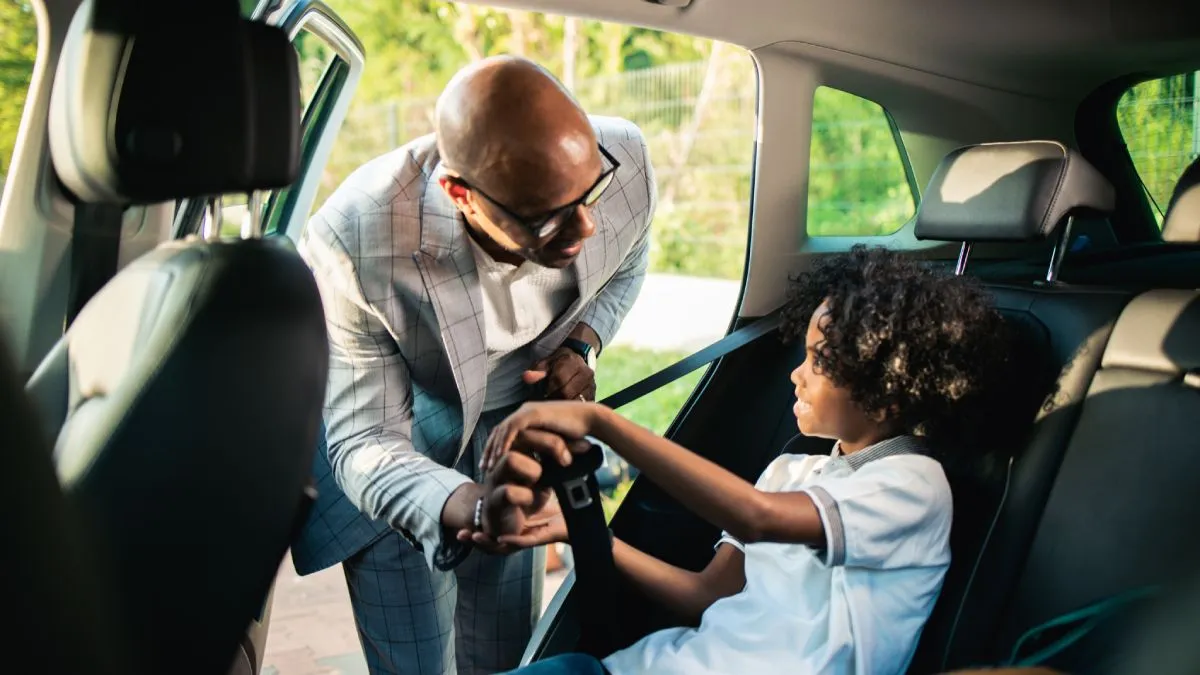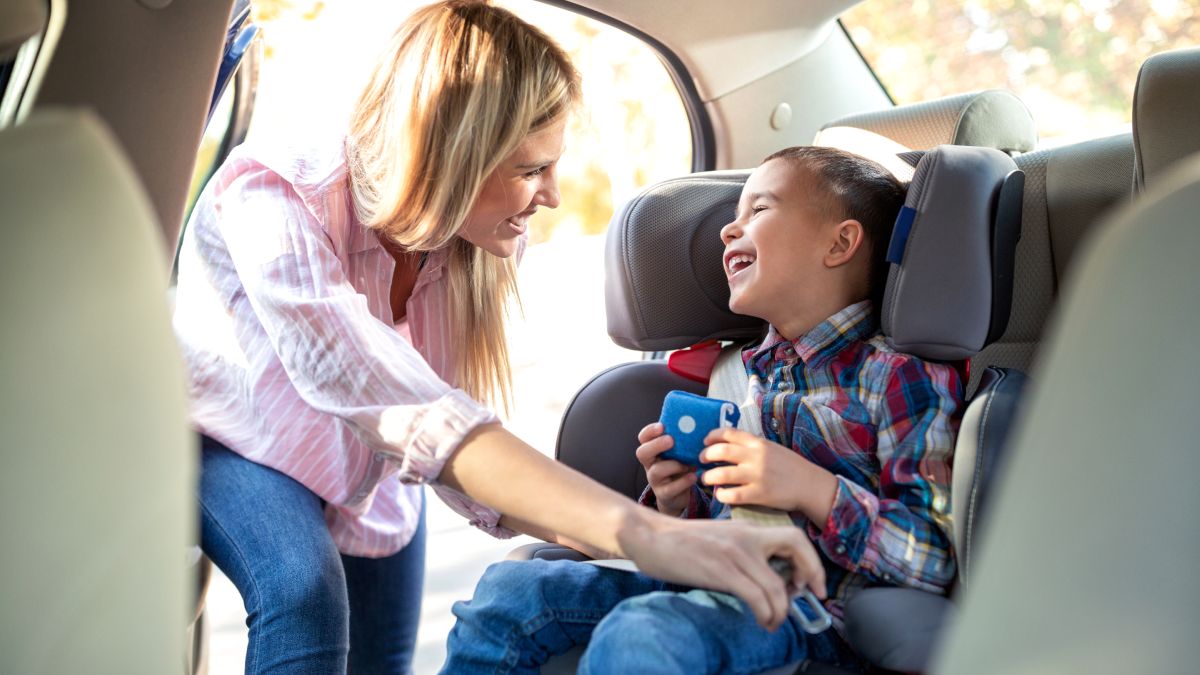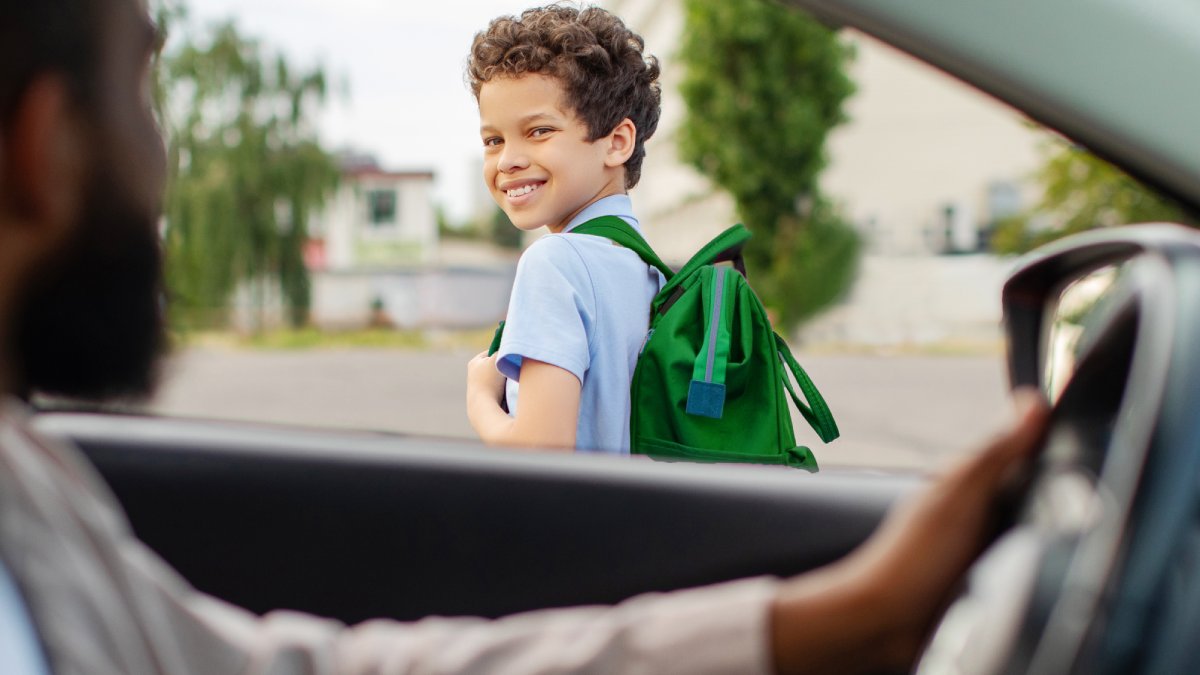
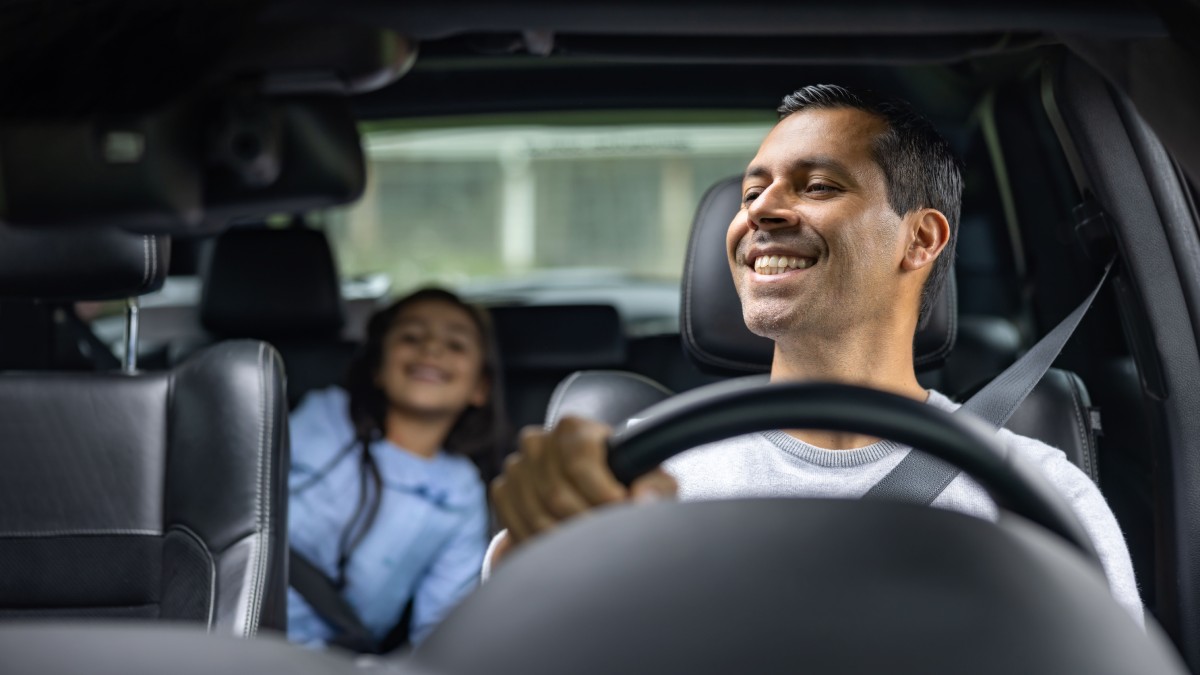
For most students, the ride to school is unremarkable. They board a vehicle, arrive at school, and move on with their day. For students with additional needs, students experiencing housing instability, and students in foster care, that ride carries more weight. A familiar driver, a predictable routine, and a calm arrival can set the tone for an entire school day. For students whose days offer very little predictability, that consistency matters more than most transportation plans acknowledge.
The challenge is that driver consistency in Alternative Student Transportation is genuinely difficult to achieve and maintain. High driver turnover, fragmented transportation networks, and the operational complexity of alternative school transportation all work against it. Most districts know consistency matters. Fewer have the systems in place to protect it at scale.
This article explores why the student-driver relationship is a critical safety and outcomes issue, how districts can build stronger structures around driver consistency, and how EverDriven approaches this challenge across its national network. According to EverDriven’s 2026 Safety and Operations Report, 83.62% of rides for students with disabilities maintained the same driver—a figure that reflects what it actually takes to make consistency a system-wide commitment.
By the Numbers: EverDriven Safety and Operations Report 2026 (March 1, 2025 – February 28, 2026)
- 83.62% of rides for students with disabilities maintained the same driver
- 2,620,956 trips completed in the reporting period
- 99.99% of those trips were completed without accident, major or minor
Source: EverDriven Safety and Operations Report 2026
Why Does the Student-Driver Relationship Matter?
The relationship between a student and their driver shapes far more than the commute itself. For students who depend on transportation to access school safely, a familiar, trusted driver can be the difference between a good morning and a derailed day.
The Ride to School is the Start of the School Day
The transportation experience sets the tone for the learning day. A student who arrives calm, unhurried, and welcomed into their school environment is in a fundamentally better position than one who has spent the ride anxious, confused, or dysregulated. Families understand this directly.
One EverDriven caregiver, Linnet, put it plainly: “We’ve been using this service for three school years and we’re extremely happy. They make sure to keep the same driver, which is very important to my daughter, and we’re very pleased with the safety and monitoring of the service.” That sentiment (that the driver is not just a vehicle operator but a part of the child’s daily experience) reflects what research and practice in student transportation consistently confirm: the human element of the ride matters.
For Students with Additional Needs, Consistency is Imperative
Driver consistency is not always explicitly written into an IEP, but it directly affects whether the transportation obligation is being met in spirit. For students with sensory sensitivities, behavioral challenges, or anxiety disorders, encountering an unfamiliar driver can trigger distress that carries well into the school day and, over time, contributes to increased absenteeism. Transportation directors who have invested in this relationship understand it on a practical level as well as a human one.
Lisa Riveros, Transportation Director at Wichita Public Schools, described it this way: “What I appreciate about our EverDriven drivers is that they take relationship-building to heart, and they take it really seriously. In the videos that I’ve seen of rides from our EverDriven drivers, they’ve done a great job connecting with our students and helping prepare them for their day.”
When drivers know their students—including their routines, triggers, and preferences—the ride becomes part of the support structure. A driver who greets a student by name, who knows that one child needs a quiet transition and another needs a moment to decompress before entering school, provides something no routing system can manufacture: trust built through repetition.
For Students Experiencing Housing Instability, Drivers Provide Consistency
For McKinney-Vento students, the ride to school may be the most stable part of an otherwise unpredictable day. A driver who knows the student, knows the route, and is prepared for the flexibility these situations require creates a meaningful source of consistency in a child’s life. EverDriven’s 2026 Safety and Operations Report documents 16,250 students facing housing instability served during the most recent reporting period alone, and more than 50,000 served since 2015.
Emily Morgan, Success Liaison at Middletown City School District, expressed the stakes clearly: “When a student is experiencing homelessness, there’s so much unknown and so much inconsistency in their life. Having access to transportation to get them to continue coming to the same school… that little nugget of stability in such an uncertain time is invaluable to them.”
For these students, the ride is a lifeline. And the driver is, for many of them, one of the few adults in their lives who shows up in the same place, at the same time, with the same face, every single day.
How Can School Districts Improve Driver Consistency?
Driver consistency does not happen by accident. It requires deliberate planning, clear accountability structures, and a willingness to treat consistency as a performance objective rather than an aspiration. Here are the core areas where districts can take action.
Build Driver Consistency Into Route Planning From the Start
The easiest time to protect driver consistency is before routes are finalized. When routes are designed with specific driver assignments in mind, and when those assignments are treated as stable unless operationally necessary to change, districts create a structural foundation for consistency. Treating driver assignment as a secondary concern, or something to be addressed after logistics are settled, makes instability the default outcome.
Establish Clear Protocols for Driver Changes
Driver changes are sometimes unavoidable. What distinguishes high-performing transportation programs is the quality of the protocols around them. Districts should have defined processes for notifying families when a driver change occurs, communicating the change to receiving schools, and ensuring the new driver has access to relevant student information before the first ride. The absence of a clear handoff protocol is one of the most common ways that what should be a brief disruption becomes a longer-term trust problem.
Invest in Driver Education on Student-Specific Needs
A driver who understands the populations they serve is better equipped to maintain a productive relationship with each student. Training that is specific to the students on the route—including disability awareness, de-escalation practices, McKinney-Vento requirements, and behavioral support approaches—creates drivers who can handle unexpected situations without defaulting to reactions that disrupt the relationship they have built. Generic driver training is a starting point, not a sufficient standard for alternative transportation.
Use Technology to Support Accountability and Family Communication
Real-time GPS tracking, in-vehicle camera systems, and family-facing apps that provide driver identification and arrival information reduce the anxiety that often surrounds alternative transportation. When families know who is picking up their child, when the vehicle is expected, and where it is during the ride, the student-driver relationship operates within a framework of transparency rather than uncertainty. Technology provides the visibility that makes the relationship trustworthy.
Hold Transportation Partners Accountable for Consistency Metrics
For districts that rely on alternative school transportation partners, driver consistency should be a tracked performance metric. Partners who cannot demonstrate consistent data should be asked to explain their operational approach to achieving it. Asking vendors for consistency rates by student population—and following up when those rates are lower than expected—signals that the district takes this outcome seriously and will not accept inconsistency as an inevitable feature of the service. It’s important to note that some providers charge additional fees for same-driver consistency, when it should be offered as a standard service for students with disabilities.
How Does EverDriven Approach the Student-Driver Relationship?
EverDriven’s approach to the student-driver relationship is built on three interconnected commitments: rigorous driver preparation, operational structures that prioritize same-driver assignment, and technology that makes the relationship visible to families and districts in real time.
Comprehensive Vetting and Ongoing Education for Every Driver
Every driver in the EverDriven network completes pre-service drug testing, multi-layered background checks, National Sex Offender Registry screening, motor vehicle record review, and an English language proficiency assessment before their first ride. Ongoing driver education includes defensive driving, safety protocol adherence, and sensitivity practice for students with additional needs. Education is also population-specific: drivers are prepared for the distinct needs of students with disabilities, students experiencing housing instability, students in early childhood education, students in foster care, and students in hard-to-reach areas. EverDriven Monitors, deployed on many rides, complete a comprehensive education course before their first assignment and must meet ongoing continuing education requirements. Their sole responsibility on every ride is to protect both the student and the driver.
Technology That Makes the Relationship Visible
EverDriven rides are tracked in real time via GPS, giving districts and families visibility into every trip from start to finish. One in two vehicles in the EverDriven network is now equipped with AI-powered in-ride cameras—a 32.85% increase year-over-year—giving districts 360-degree visibility inside and outside the vehicle and supporting driver accountability. The RideAware app surfaces driver identification and real-time arrival information to families, reducing the uncertainty that makes transportation anxiety worse for caregivers of students with additional needs. The TripCentral portal gives transportation directors full visibility into vehicle, driver, and estimated time of arrival for every trip, as well as the ability to tailor rides to include mobility assistance, safety equipment, and behavioral considerations specific to each student.
A Safety Model Built for the Students Who Need It Most
EverDriven’s 2026 Safety and Operations Report recorded zero critical incidents, zero motor vehicle fatalities, zero fatal assaults, and zero incidents of sexual misconduct during the reporting period. These outcomes reflect what happens when driver consistency, rigorous education, and technology-enabled oversight work together rather than in isolation.
Jennifer, an EverDriven caregiver, described the cumulative effect: “After many years of experiencing different car services, EverDriven has been exceptional. Our driver has instilled confidence and trust that our son is well taken care of as he travels to school. The driver is not only communicative but also compassionate about his job. My son feels safe and understood… EverDriven is highly responsive, and the app tracks my son’s whereabouts at all times.”
When a district invests in a transportation partner that takes the student-driver relationship seriously, the results show up in safety records, in family satisfaction, and in how students arrive at school each morning.
The Bottom Line
The student-driver relationship is one of the most consistently undervalued factors in student transportation planning. For the students who depend most on alternative transportation—those with disabilities, those experiencing housing instability, those in foster care—a familiar and trusted driver is part of how transportation fulfills its obligation to the student. Districts that build consistency into their planning, hold partners accountable for consistency data, and choose partners with the operational structures to deliver on that commitment will serve their most vulnerable students more effectively and more equitably.
Frequently Asked Questions
Why Is Driver Consistency Important for Students with IEPs?
Students with IEPs often depend on routine and familiarity to manage the sensory and emotional demands of their school day. While IEPs may not always specify a particular driver by name, the spirit of many transportation provisions is that the student will receive a predictable, appropriately prepared ride. An unfamiliar driver who does not understand the student’s needs can disrupt routines, trigger behavioral responses, and compromise the district’s ability to fulfill its transportation obligation in practice, even if it is technically fulfilled on paper.
How Do Districts Know if Their Transportation Partner is Maintaining Driver Consistency?
Districts should ask transportation partners to provide same-driver consistency data by student population, not just overall. Partners operating at EverDriven’s standard can point to concrete metrics: 83.62% of rides for students with disabilities maintained the same driver during the most recent reporting period. If a vendor cannot produce equivalent data or cannot explain the operational systems behind their consistency rates, that is a meaningful signal about their approach to this outcome.
What Happens When a Driver Change is Unavoidable?
The quality of a driver change is determined by the protocols surrounding it. At a minimum, families should be notified in advance when possible, the receiving driver should be briefed on the student’s relevant needs and preferences, and the district or partner’s operations team should monitor the first several rides after a change to ensure a smooth transition. Districts and partners who treat driver changes as purely logistical events—without a human-centered handoff process—risk undermining the consistency they have built over weeks or months of relationship-building.
How Does EverDriven Support Driver Consistency at Scale?
EverDriven builds driver consistency into its operational model through route planning practices that prioritize stable driver-student assignments, ongoing driver education that prepares drivers to serve the specific populations on their routes, and technology that gives districts real-time visibility into every trip. With 83.62% of rides for students with disabilities completed by the same driver across the most recent reporting period—encompassing more than 2.6 million trips—EverDriven demonstrates that consistency at scale is achievable when it is treated as an operational priority and measured accordingly.

Courtney Pallotta is an energetic, customer-driven marketing executive with more than 20 years of experience leading go-to-market strategy, branding, product marketing, demand generation, and customer advocacy for startup and growth-stage companies. As CMO at EverDriven, she leads the GTM team in delivering modern, student-centered transportation solutions that meet every student’s unique needs.
Courtney has built and scaled marketing functions across some of the most dynamic enterprise technology categories, from data warehousing and analytics to cloud infrastructure, data privacy, and SaaS. She has taken companies from stealth through IPO, led acquisitions, launched open-source platforms, and consistently built marketing engines that drive pipeline and market position. Along the way, she has developed a deep belief that the best marketing is both simple and authentic, and that listening to customers is the foundation for great products and lasting communities.
Outside of EverDriven, Courtney serves as a Board Member at the Gilliam Center for Entrepreneurship, where she mentors the next generation of business leaders.