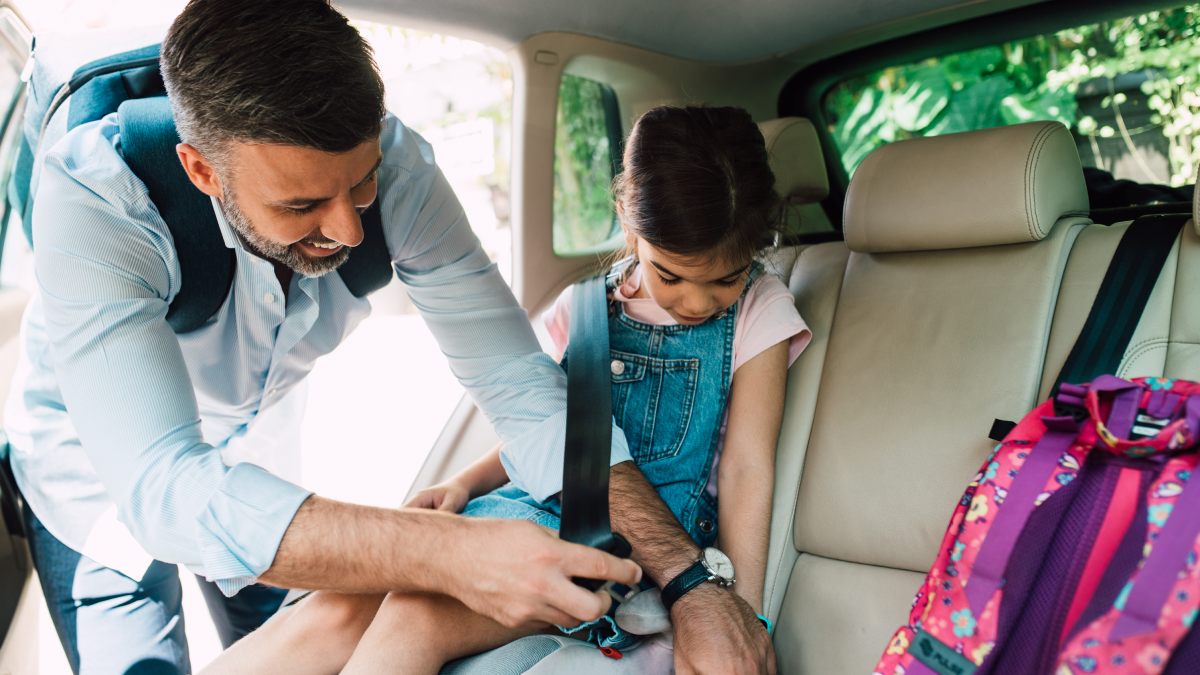

Accessibility is not just a buzzword, but a vital aspect of student transportation, especially for students with special needs. Having accessible and comfortable transportation can make a huge difference in their academic success and overall well-being. Let’s explore why accessibility matters, what types of accommodations may be needed, and why small-capacity vehicles are the best option for many students with special needs.
Why Is Accessibility Important?
Accessibility means that students can access the transportation services they need without facing barriers or discrimination. For students with disabilities, this means that they can travel to and from school safely, comfortably, and independently. Accessibility also means that students can participate in school activities and events that require transportation, such as field trips, sports, or clubs. By providing accessible transportation, districts and schools can ensure that all students have equal opportunities to learn, grow, and succeed.
According to the National Center for Education Statistics (NCES), in 2019–20, the number of students ages 3-21 who received special education services under the Individuals with Disabilities Education Act (IDEA) was 14% of all public school students, or 7.3 million children and youth. These kiddos struggle with learning difficulties or disabilities such as:
- Dyslexia
- Dyscalculia
- Dysgraphia
- Speech or language impairment
- Autism spectrum disorder (ASD)
- Other health impairments, including physical health challenges, or genetic issues
Creating accessible opportunities for students who strive to overcome their challenges is a positive step in helping them become independent adults who can make significant impacts within their communities.
What Types of Accommodations May Be Needed for Special Education Transportation?
There are many different types of accommodations that can enhance transportation experiences for children and youth with special needs. For example, some students may need wheelchair lifts or ramps, securement systems, or special seating arrangements. Other students may need assistive devices, such as hearing aids and communication boards, or personal assistance from monitors. Some students may also benefit from sensory adaptations, such as noise-reduction headphones, dimmed lights, or calming music.
What Are Small-Capacity Vehicles, and Why Are They a Good Option for Special Education Transportation?
Small-capacity vehicles are vehicles that can transport up to 10 passengers, such as sedans, minivans, or SUVs. Referred to as alternative student transportation, white fleet, or van transport, these types of vehicles are becoming more and more common in district transportation programs for many reasons.
Flexibility: Small-capacity vehicles can adjust their routes and schedules to meet the individual needs of each student. They can also pick up and drop off students at their homes, daycare centers, alternative program locations, or other convenient places, rather than at designated bus stops.
Consistency: Small-capacity vehicles can provide a consistent and familiar environment for students with special needs. They can also allow students to form closer relationships with their drivers and peers, which can reduce anxiety and increase trust.
Personalization: Small-capacity vehicles can be equipped with the proper tools to accommodate the needs of any student. From wheelchair securement to climate control, adaptations can be made to benefit each child.
It’s All About the Kiddos
Accessibility in student transportation is not only a matter of convenience but also a matter of equity. By providing accessible and affordable transportation options for students, especially those with special needs, we can promote their academic achievement and social inclusion, as well as ensure that they can attend the best schools for their learning and development, which ultimately, will help them become independent adults who influence and inspire their families, friends, and communities.