There’s an uncomfortable reality that many school districts across the country have been grappling with for years. Students who need the most support, for whom the school bus isn’t a good fit, often get the least structured solution for transportation. District leaders quietly rely on a patchwork of solutions including taxis, transit passes, or one-off vendors to transport their most vulnerable populations.
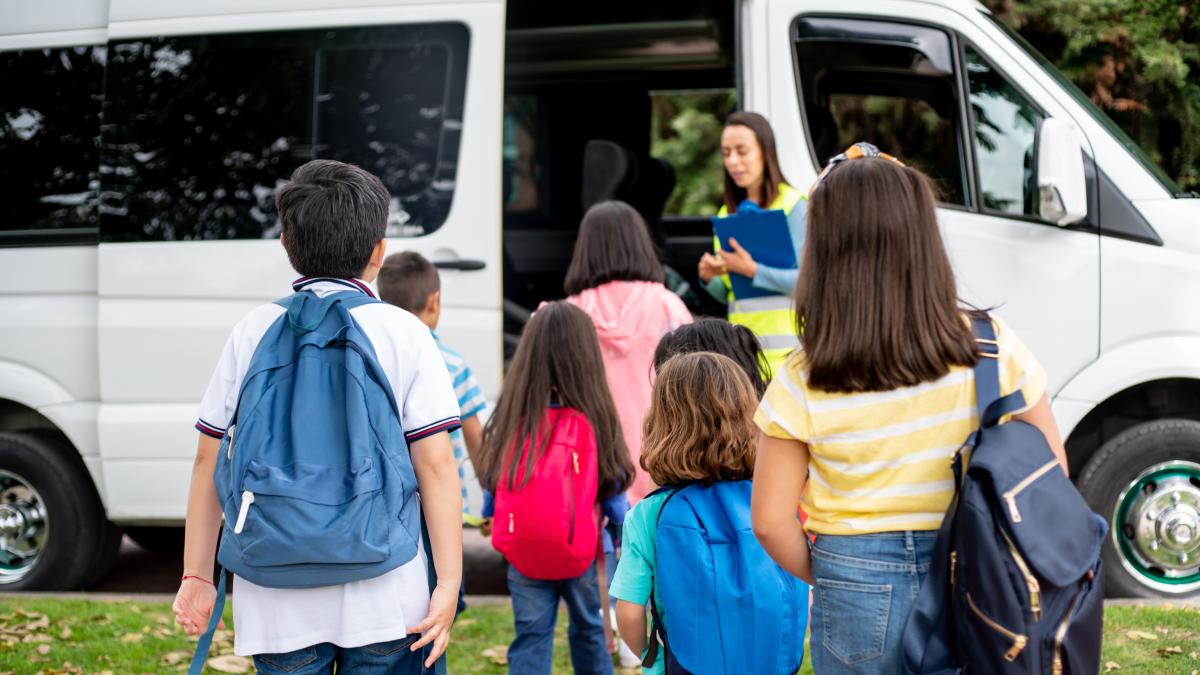
More than a decade ago, Capistrano Unified School District in Southern California went down a different path. Their modern, student-centered transportation model fully integrates alternative transportation as a critical component, operating alongside yellow school buses. As a result, students have better, reliable access to education, while the district has reduced operational strain and risk exposure.
The SoCal District’s Challenge: Increased Complexity with Limited Resources
Capistrano Unified School District (CUSD) is one of the largest districts in the state of California, serving more than 40,000 students across a diverse mix of suburban and coastal communities. While CUSD operates a robust fleet of yellow buses, they’re challenged with balancing several conflicting complexities:
- Ongoing Bus driver shortages and budget pressures affecting the nation are particularly acute across California.
- At the same time, policies like California Senate Bill 88 and the McKinney Vento Homeless Assistance Act require districts to expand access to transportation amidst increased demand.
- To exacerbate the situation further, their student population has become increasingly complex.
Several populations needing specialized transportation have continuously grown, such as students with special education designations who have transportation requirements written into their individualized education programs (IEPs).
“The special ed landscape has just exploded,” explained Carlos Chicas, Executive Director of Maintenance, Operations, and Transportation (MOT) for Capistrano Unified. “It overwhelms us and our fleet.”
CUSD has also seen an increase in McKinney-Vento and foster students, as well as students attending out-of-district or non-public school programs.
The district needed to come up with a modern approach to student transportation that would have a positive effect on student attendance, while making sure every operational decision could stand up to scrutiny from families, regulators, and in worst-case scenarios, legal challenges.
Rethinking Alternative Transportation
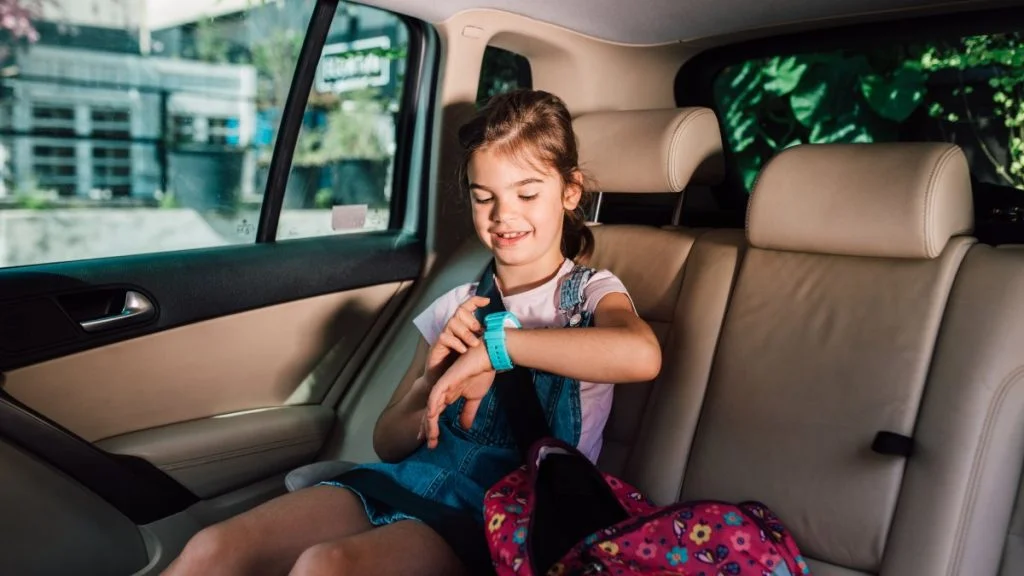
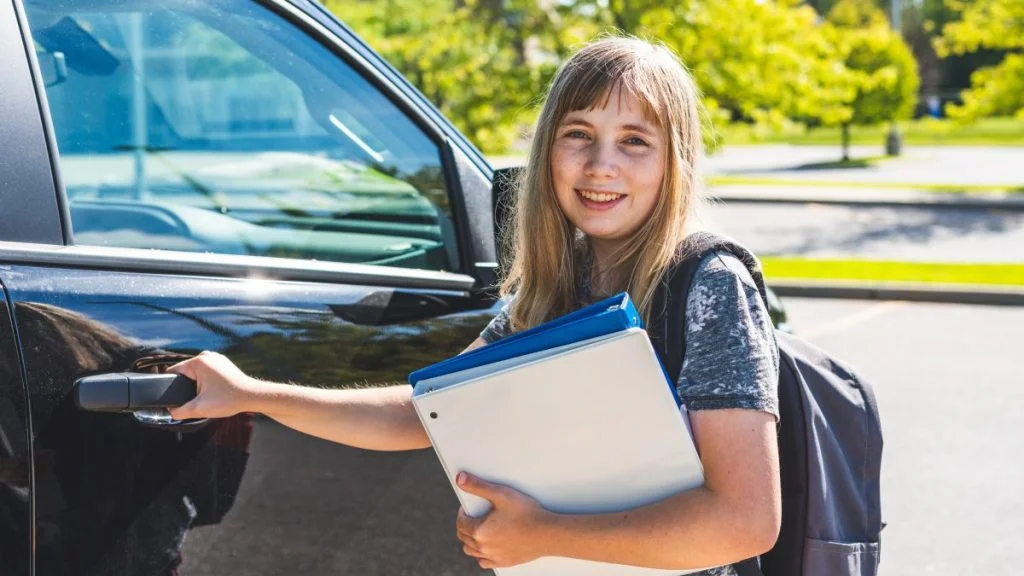
In a prior district, Chicas had seen the risks of ad hoc solutions firsthand, where taxis were often the only option for hard-to-serve students. There he’d encountered EverDriven (then ALC), who introduced a new possibility: an alternative transportation solution that didn’t feel like a compromise. When he joined Capistrano Unified, he was relieved to find EverDriven already in place, but underutilized. Under his leadership, the district expanded their partnership with EverDriven from limited use covering non-public school routes, to a core solution embedded within their holistic, student-centered strategy. Today, EverDriven supports CUSD’s special education, foster, and McKinney-Vento students, while also filling gaps due to bus driver shortages.
A Higher Standard for Student Transportation
Chicas manages student transportation for the district with rigor to balance best-case student outcomes with the most operationally efficient approach. This is evident in the way his team has defined their procurement strategy: Make alternative transportation look and operate as closely as possible to the yellow bus. That meant embedding strict requirements into their RFP and holding partners accountable to:
- Provide reliable, dedicated drivers with consistent on-time performance
- Conduct comprehensive background checks on all drivers
- Deliver high quality driver training
- Manage staff with clear routing oversight and approval processes
“EverDriven has become my go-to when it comes to alternative transportation,” Chicas said.
Capistrano has also implemented a structured intake and vetting process for all transportation requests – which may come in through special education teams, district offices, or state programs. With centralized oversight, every request is evaluated by transportation experts so that students are matched with the safest, most appropriate solution that’s available.
“There’s more of a check and balance now… to make sure those kids are routed appropriately,” said Chicas.
The Results: Consistency, Safety, and Confidence
With EverDriven as the district’s primary alternative transportation partner, Capistrano has achieved:
- Reliable daily service: “I’ve never had an issue… you can count on a pickup every day, a drop-off every day, and relatively on time.”
- Safer environments for high-needs students: Shorter rides, fewer passengers, and more controlled settings for students with behavioral or medical needs.
- Reduced operational strain: Flexible support during driver shortages and for routes that can’t be efficiently served by buses.
- Lower risk exposure: A defensible, consistent model that aligns with district safety standards and contractual expectations.
“The partnership with EverDriven has become a strategic, long-term component of how we serve our most vulnerable students, balancing safety, flexibility, and accountability in a way that school buses alone cannot,” said Chicas.
“At the end of the day, it’s about the students and their families. That’s the foundation of everything we do.”