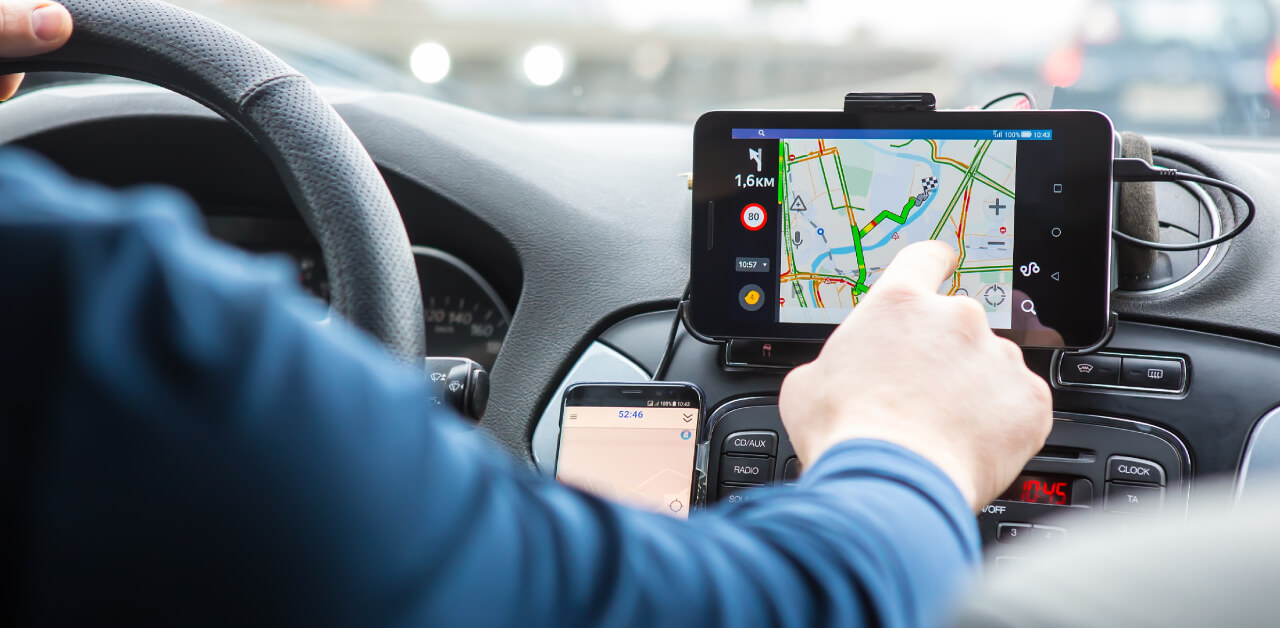
Technology is transforming student transportation in ways we never imagined just a few years ago, creating safer, more efficient experiences for students. As these advancements continue to evolve, one thing is clear: Student transportation is getting smarter, and that’s a win for everyone.
New Student Transportation Technologies
In this blog post, we share eight new technological advancements transforming safety standards for school districts nationwide:
1. Advanced Driver Assistance Systems (ADAS)
Advanced Driver Assistance Systems (ADAS) support safe driving with a collection of smart tools that prevent collisions. Although the specifics of systems vary from vehicle to vehicle, ADAS often include emergency steering and braking, traffic sign recognition, lane-keeping assistance, blind spot warning, automatic high beams, and adaptive cruise control. The majority of new vehicles include at least some of these proven safety features. As vehicle manufacturers continue to incorporate ADAS into school vehicles, they bring extra levels of safety to the school commute.
2. Telematic Devices
By leveraging GPS technology and other sensors, a small telematics device installed in a vehicle captures essential safety data. Telematics devices can analyze the condition of the vehicle – including engine performance, low tire pressure, and low fuel – as well as assess driver performance. School districts and transportation partners benefit from new levels of insight into driver behaviors, including speeding, and overaccelerating, which are all recorded on the device.
3. AI-Powered Dash Cameras
Artificial intelligence is changing the way school bus drivers operate. AI-driven dash cams can also monitor both the inside and outside of vehicles, identifying dangerous behaviors like distracted driving or speeding. These systems provide instant feedback to drivers and safety managers, helping prevent accidents before they happen. At EverDriven, our Camera Solution includes both forward and rear-facing dash cams, which record high-resolution video and audio of every drive. Guardians and families have peace of mind during every ride their child takes.
4. Stop-Arm Cameras
According to the National Association of State Directors of Pupil Transportation Services (NASDPTS), there were more than 43.5 million illegal school bus passings in the U.S. during the 2022-2023 school year, reaching epidemic levels. New stop-arm cameras automatically videotape vehicles that illegally pass stopped buses, deterring future violations while helping law enforcement increase accountability.
5. Real-Time Tracking
School districts are leveraging real-time tracking on bus locations and students taking Alternative Student Transportation to deepen safety protocols. Some apps, including the BusWhere app, track vehicles. Other apps use Radio Frequency Identification Devices (RFID) tracking systems. With RFID, a student scans their unique ID card when boarding and disembarking a bus, which provides parents and school districts with the exact timing and location of students getting on and off the bus.
6. Apps for Families, Administrators, and School Staff
More administrators, school staff, and families are using apps connected to real-time tracking to strengthen communication and transparency. These apps, including RideAware app, offer families the opportunity to coordinate rides and manage logistics, ensuring that everyone has the same details on every driver, vehicle, and location. The easier school districts make it for guardians and parents to stay on the same page as schools, the safer students are every day.
7. Smart Routing
AI-powered smart routing analyzes traffic patterns in real time to identify the best routes for school buses and Alternative Student Transportation depending on traffic, events, and closed roads. By using machine learning to streamline logistics and bring greater efficiency, districts save time and resources spent operating, fueling, and repairing vehicles while reducing environmental impact.
8. Weather Forecasting
School districts need to make challenging decisions all the time for weather-related closures and emergencies that could imperil students. Machine learning is strengthening predictive weather models, offering administrators more accurate information about possible weather scenarios. For example, some AI models are better able to assess the likelihood of short-term, hazardous weather, like hail.
The Future of Student Transportation Is Smarter and Safer
As technology continues to evolve, AI and machine-learning breakthroughs are driving safety for student transportation. These new tools are only the beginning of a wave of new technology empowering school districts to prioritize student safety. Please reach out to learn more about how EverDriven leverages innovation to improve school transportation across the country.