Idaho House Bill 396 (HB 396), signed into law in April 2025 and taking effect July 1, 2025, marks a significant shift in how public school transportation is funded and managed across the state. With increased flexibility in how districts are reimbursed for student transportation, HB 396 enables Idaho schools to better meet the needs of students—particularly those in rural communities, with disabilities, or experiencing housing instability. At its core, this legislation reflects a growing recognition that access to school begins with safe, reliable transportation.
Key Changes Introduced by HB 396
1. Broader Reimbursement for Transportation Vehicles
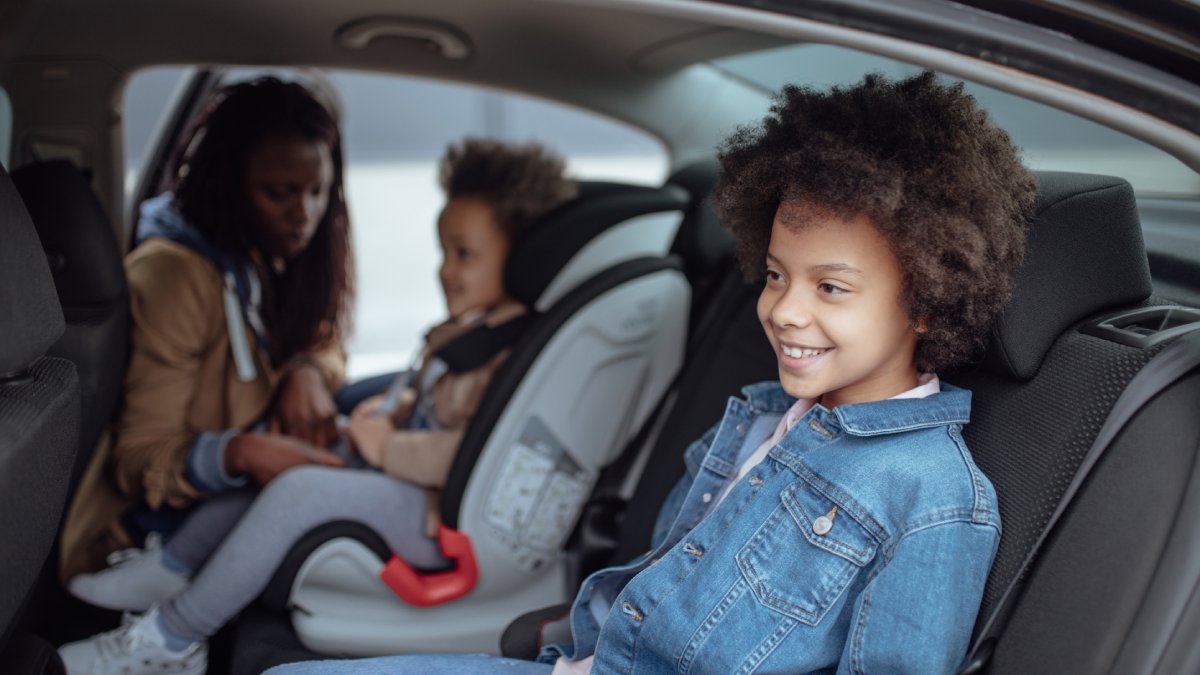
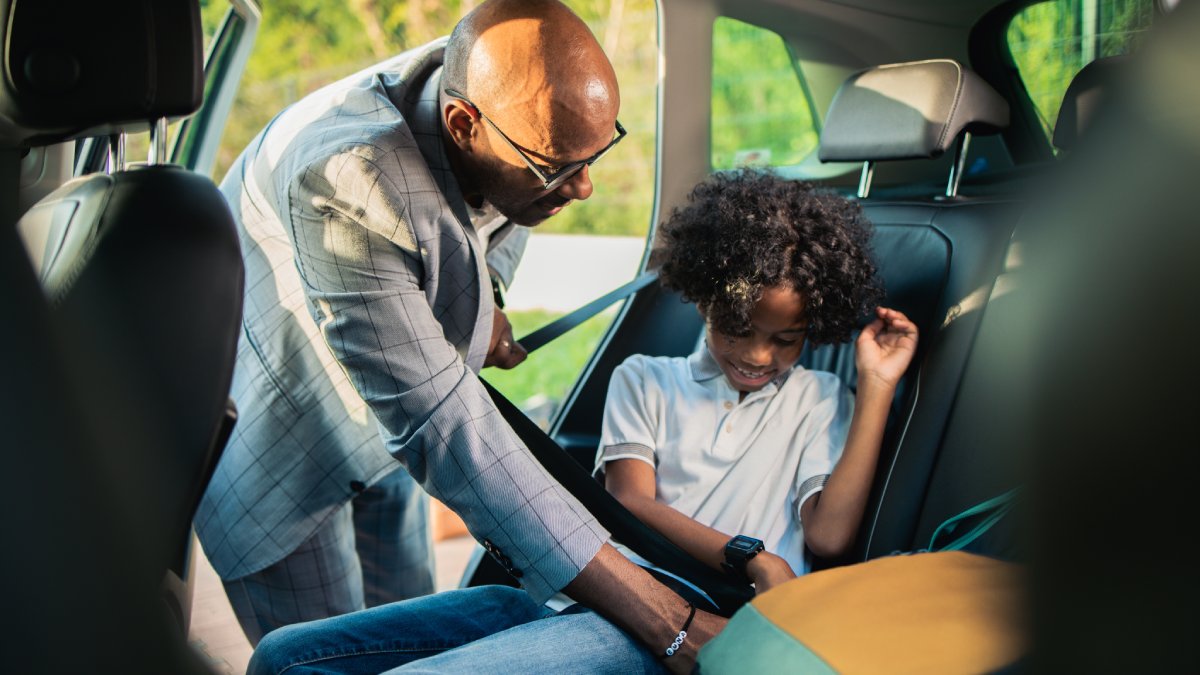
Historically, Idaho’s transportation reimbursement model favored traditional yellow school buses. HB 396 modernizes this approach by allowing school districts to claim reimbursement for smaller-capacity vehicles like vans and passenger cars. This flexibility enables schools—particularly in rural or geographically complex areas—to provide safe and cost-effective transportation tailored to actual student needs.
2. Refined Rules for Virtual Schools
HB 396 also updates the criteria for transportation reimbursement for virtual schools. According to Idaho Education News, previously, some virtual programs sought reimbursement for costs like internet access or mobile phone services. The new legislation excludes these expenses, aligning funding with physical student transportation only and promoting clearer fiscal accountability.
Why HB 396 Matters: Attendance, Funding & Equity
One of the most meaningful impacts of House Bill 396 is its potential to help more students consistently access school. By allowing districts to use alternative vehicles to reach students in hard-to-serve areas or smaller groups, the legislation addresses one of the most common barriers to daily attendance: reliable transportation.
While transportation alone does not resolve every attendance challenge, it is a critical and proven factor. When students have a safe, dependable way to get to school, attendance rates improve. And in Idaho, as in many states, stronger attendance contributes directly to more consistent funding, since many state and federal education dollars are tied to Average Daily Attendance (ADA).
The ripple effect is powerful:
- More students transported ➔ Increased attendance
- Increased attendance ➔ Stronger, more stable district funding
- Stronger funding ➔ Enhanced programs and student services
- Enhanced programs ➔ Improved academic and life outcomes for students
Students Who Benefit Most
This change is especially meaningful for students who are historically at higher risk of inconsistent attendance, including:
- Students experiencing homelessness who may not have access to permanent, reliable transportation.
- Students with disabilities requiring specialized routes or accommodations.
- Students living in rural or remote areas where traditional bus routes are not feasible.
- Students in foster care who may face frequent residential changes.
- Students attending out-of-boundary or specialty programs not served by standard transportation routes.
For these students, having a reliable ride to school isn’t just a convenience—it’s a lifeline to education.
How EverDriven Supports HB 396 Implementation
As the nation’s leading provider of Alternative Student Transportation, EverDriven is uniquely positioned to help Idaho school districts implement the flexibility introduced by HB 396.
We partner with school districts to:
- Provide compliant, small-capacity vehicles that meet state reimbursement requirements
- Serve students with specialized needs —including McKinney-Vento, IEP, foster care, and students living in rural or hard-to-reach areas
- Optimize routes to improve efficiency, reduce costs, and ensure timely arrivals
- Maintain the highest safety standards through multi-layered driver vetting, drug testing, background checks, and in-ride monitoring
By working with EverDriven, districts gain a transportation partner that prioritizes safety, compliance, and student well-being—making it easier to meet the demands of HB 396 while delivering meaningful outcomes.
Looking Ahead
Idaho House Bill 396 is more than a funding change—it’s a catalyst for improving how students access education. When transportation is flexible, reliable, and student-centered, attendance rises, funding improves, and outcomes follow. With the right systems and partners in place, Idaho school districts are well-positioned to turn this legislative update into lasting impact for students across the state.

Morgan Judge is an attorney and regulatory strategist with a rare combination of legislative, legal, and private sector expertise. As Senior Director of Compliance, Regulation, and Policy at EverDriven, she leads government relations and regulatory strategy for a company operating at the intersection of technology, education, and a rapidly evolving policy landscape , overseeing multi-state legislative and compliance initiatives, managing contract lobbyists, and working across teams to advance policies that align with EverDriven’s mission and growth.
Morgan’s foundation in law and policy runs deep. She earned her law degree from Loyola University New Orleans School of Law and gained early experience through legal clerkships researching civil law, criminal procedure, and local government policy. She then spent six and a half years as a nonpartisan staff member in a state legislature, working her way from enrolling clerk to senior projects and calendar manager. In those roles she developed deep fluency in legislative process, parliamentary procedure, and the mechanics of how policy actually gets made, experience that now gives her a distinctive edge navigating state-level regulatory environments on EverDriven’s behalf.
Morgan joined EverDriven in 2021 and has grown steadily within the organization, moving from Regulatory Compliance Manager to Director to her current Senior Director role. She is a visible voice in the student transportation policy community, regularly engaging at national industry conferences and advocating for regulatory frameworks that reflect the realities of modern, technology-enabled student transportation.