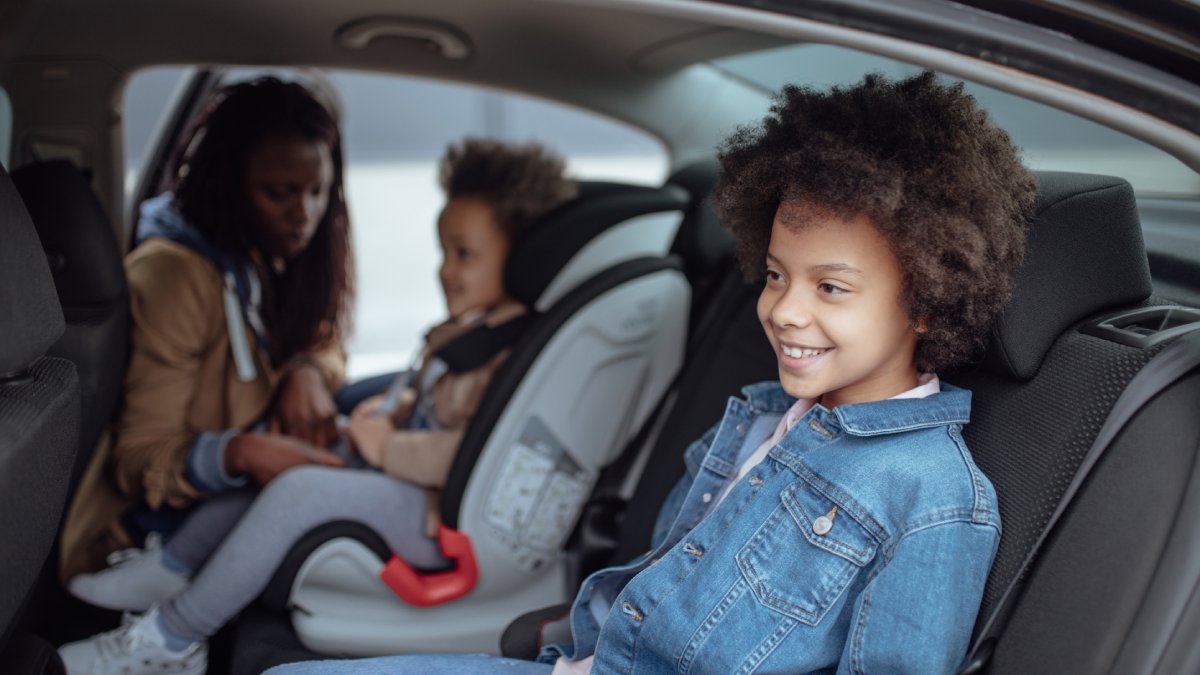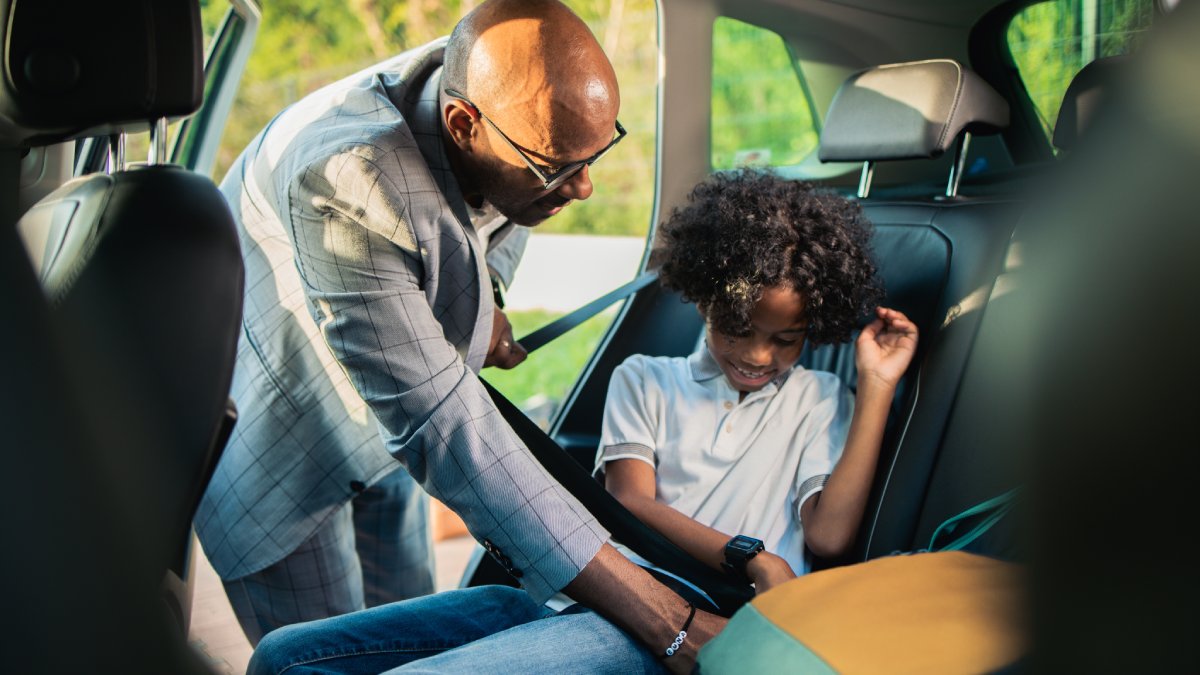

Minnesota sets the standard for safe student transportation.
Under some of the toughest rules in the nation, Type III vehicles, cars, SUVs, or vans carrying 10 or fewer students must pass annual inspections by the State Patrol. That oversight helps ensure safe rides across the state.
But here’s the truth: compliance is only the baseline. For district leaders, the real opportunity lies in building confidence and knowing in real time that students are protected, routes are efficient, and families feel reassured.
Compliance Protects. Technology Builds Confidence.
Minnesota law ensures:
- Annual inspections by the State Patrol.
- Biannual physicals for certain drivers.
- Annual background checks and required driver training.
- Fire extinguishers, first aid kits, and cleanup kits in every Type III vehicle.
These requirements set a strong safety baseline — but they are point-in-time checks. They prove a vehicle was safe at inspection, or a driver was qualified when vetted. What they don’t provide is continuous oversight or real-time visibility.
That’s where technology comes in.
Where Technology Changes the Equation
This is where Minnesota’s high standards and modern technology fit together. When districts embrace tools that provide live data, continuous monitoring, and real-time visibility, compliance transforms into something more powerful: trust.
Think about it this way:
- GPS tracking means districts no longer just hope a ride was on time. They know.
- In-vehicle cameras add accountability by answering questions before they become disputes.
- Digital inspections take what the State Patrol does annually and replicate it every single day.
- Continuous driver monitoring ensures you don’t wait 12 months to find out if something has changed. You know immediately.
- Automated dashboards turn piles of compliance paperwork into clear, shareable data — the kind that builds confidence in boardrooms and front offices alike.
- A VIP experience for school staff and parents: Technology reduces thousands of daily calls, gives front office teams instant clarity, and reassures families in real time — making everyone feel like insiders, not outsiders.
The District View: Less Noise, More Clarity
For district leaders, the real value of technology is in solving daily headaches. Consider Kansas City, Kansas Public Schools. With more than 40 buildings, their transportation office was once buried under 1,000 phone calls every afternoon from staff and caregivers asking about rides. The solution wasn’t more compliance. It was visibility.
By giving schools read-only access to a EverDriven’s TripCentral, the number of calls plummeted. Now, front office staff check arrival times in real time without ever picking up the phone.
The result? Five calls a day instead of 1,000.
That’s the shift technology creates: less noise, more clarity. Imagine that relief scaled across Minnesota districts already working within one of the most demanding compliance frameworks in the nation.
Why It Matters in Minnesota
Minnesota families and boards already trust their districts to meet the law. What they want now is proof that districts are going further.
When a parent calls and asks, “Where’s my child’s ride?” compliance can’t answer that question. Technology can.
When a board member asks, “How do we know special education and McKinney-Vento students are getting equitable service?” compliance doesn’t offer the data. Technology does.
Compliance vs. Confidence
At the end of the day, compliance will always be the foundation. But confidence is what districts need to thrive in a world of rising expectations and tighter accountability.
| Compliance Provides | Technology Adds | District Gains |
|---|---|---|
| Annual inspections | Daily digital inspections | Proof of safety every single day |
| Background checks | Continuous driver monitoring | Peace of mind all year long |
| Safety kits | Cameras, Telematics, & GPS | Transparency, faster responses |
| Logbooks | Automated dashboards | Data for equity, accountability, and trust |
A Minnesota Leadership Opportunity
Minnesota districts already operate under some of the toughest transportation standards in the country. By pairing those rules with modern technology, districts can redefine what safe, reliable, and equitable transportation looks like.
Because in Minnesota, compliance isn’t the finish line. It’s the starting line. And the districts that embrace that reality will be the ones leading the way forward. Learn more about alternative student transportation services in Minnesota.

Morgan Judge is an attorney and regulatory strategist with a rare combination of legislative, legal, and private sector expertise. As Senior Director of Compliance, Regulation, and Policy at EverDriven, she leads government relations and regulatory strategy for a company operating at the intersection of technology, education, and a rapidly evolving policy landscape , overseeing multi-state legislative and compliance initiatives, managing contract lobbyists, and working across teams to advance policies that align with EverDriven’s mission and growth.
Morgan’s foundation in law and policy runs deep. She earned her law degree from Loyola University New Orleans School of Law and gained early experience through legal clerkships researching civil law, criminal procedure, and local government policy. She then spent six and a half years as a nonpartisan staff member in a state legislature, working her way from enrolling clerk to senior projects and calendar manager. In those roles she developed deep fluency in legislative process, parliamentary procedure, and the mechanics of how policy actually gets made, experience that now gives her a distinctive edge navigating state-level regulatory environments on EverDriven’s behalf.
Morgan joined EverDriven in 2021 and has grown steadily within the organization, moving from Regulatory Compliance Manager to Director to her current Senior Director role. She is a visible voice in the student transportation policy community, regularly engaging at national industry conferences and advocating for regulatory frameworks that reflect the realities of modern, technology-enabled student transportation.