
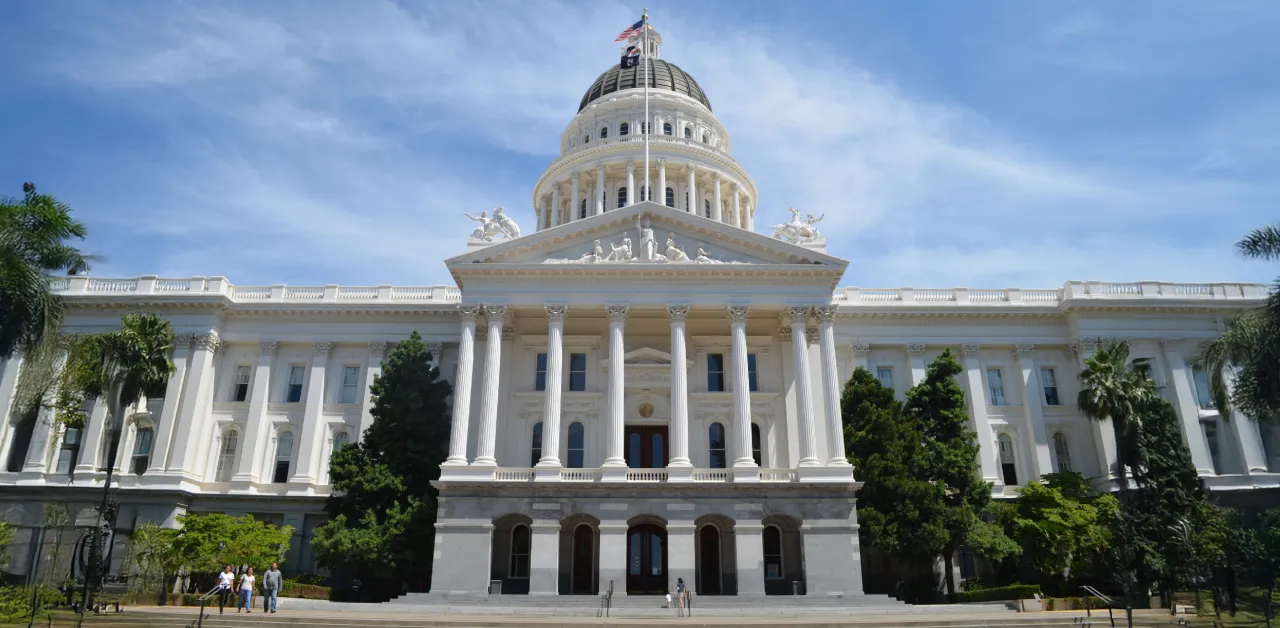
California Senate Bill 88 (SB 88) is reshaping how school districts manage student transportation—especially when using alternative vehicles or nontraditional drivers. For many districts, it introduces new responsibilities across transportation, HR, legal, and procurement teams.
We recently held a webinar with CASBO on this topic and found that districts still had many outstanding questions about preparing for SB 88 and achieving ongoing compliance. You can view the recording of the webinar here.
To answer some of these questions, this blog breaks down what SB 88 requires, who it affects, and how districts can build a compliance strategy that keeps students safe. Here’s how you can keep your risks in check for the July 1, 2025 deadline and beyond.
What Is SB 88?
SB 88 sets safety and education requirements for anyone who is compensated to transport students in non-school bus vehicles. These rules were introduced in response to the rising use of vans, SUVs, and contracted vehicles to transport students in special education, foster care, or out-of-district placements.
The law expands oversight beyond traditional yellow buses—ensuring any student being driven in a district- or vendor-provided vehicle receives the same level of care and protection.
Who Does SB 88 Apply To?
SB 88 applies to anyone who is paid to transport students in vehicles with 10 or fewer passengers, including the driver. This includes:
- District employees (e.g. coaches, aides, teachers)
- Contracted transportation providers
- Nonpublic schools providing their own transport
- Vendors or residential treatment centers transporting students
Note: “Compensated” doesn’t just mean paid to drive. If a stipend or job role includes student transportation—even informally—it may trigger SB 88 requirements.
What Does SB 88 Require?
For Drivers:
- Valid license (Class C or higher, based on vehicle)
- Clean driving record
- Formal first aid training
- DOT physical and TB test
- Drug and alcohol testing (must comply with CA Government Code 12954)
- Training in key areas, including:
- Pre-trip inspections
- Emergency procedures
- Proper use of seat belts and restraints
- Managing students during transport
- Driving in poor conditions
For Vehicles:
- Must carry 10 or fewer passengers, including the driver
- Equipped with:
- Seat belts for all passengers
- A first aid kit
- A fire extinguisher (minimum 4BC rating)
- Must pass a 19-point inspection at a Bureau of Automotive Repair (BAR)-licensed facility every 12 months or 50,000 miles, whichever comes first
Does SB 88 Apply to Existing Contracts?
SB 88 compliance may vary based on when an agreement was signed or renewed:
- Contracts signed before January 1, 2024 are grandfathered until expiration or renewal.
- Any agreement signed or renewed after that date must meet SB 88 requirements by July 1, 2025.
- Districts are encouraged to proactively audit existing contracts to avoid compliance gaps.
Are There Any Exceptions to SB 88?
Yes—but they’re limited.
Exemptions may apply if:
- The driver is a district employee who drives less than 40 hours per school year, and a compliant driver wasn’t reasonably available
- The transportation occurs during emergencies (fire, flood, medical)
- The driver is a guardian, caregiver, or the student themself (e.g. a high school student driving to practice)
Important: These exceptions require documentation and parent notification. Consult legal counsel for proper implementation.
Why Does SB 88 Matter for Risk Management?
Noncompliance with SB 88 doesn’t just mean regulatory trouble—it increases liability. If an accident occurs and the driver or vehicle didn’t meet the law’s standards, the district may face:
- Insurance disputes
- Public scrutiny
- Lawsuits
- Loss of vendor contracts
Proactively adopting SB 88 procedures helps protect students, drivers, and the district itself.
What Districts Should Do to Comply with SB 88
1. Assign a compliance lead
Designate one point person to coordinate across HR, transportation, special education, and procurement teams.
2. Map your transportation use cases
Include not just traditional routes, but:
- Special education
- Out-of-district and non-public school (NPS) placements
- McKinney-Vento students
- Students in foster care
- Athletics and field trips
3. Verify your vendors
Use attestation forms and sample audits to confirm compliance.
Note: EverDriven achieved full compliance with California’s SB 88 legislation six months ahead of the July 1, 2025 deadline, setting a new benchmark in student transportation safety and reliability. By proactively meeting rigorous driver, vehicle, and reporting requirements, EverDriven ensures school districts can confidently navigate SB 88 without added operational burden.
4. Train internal staff
Educate staff on who qualifies as a driver, what exemptions require, and how to report issues.
5. Check your vehicles
Ensure any vehicle used to transport students meets inspection, equipment, and capacity requirements.
Key Takeaways
- SB 88 goes beyond buses. It affects anyone who is paid to transport students in vehicles with 10 or fewer passengers.
- Driver and vehicle standards must be verified. Don’t assume compliance—document it.
- Cross-functional teams are essential. HR, legal, transportation, and procurement all play a role.
- Planning now protects your district later. From litigation to student safety, the stakes are high.
Have more questions about SB 88? Check out our SB 88 FAQ or talk with us to see how we can help you meet SB 88 requirements. EverDriven is proud to support students in California with reliable, private student transportation solutions.

Morgan Judge is an attorney and regulatory strategist with a rare combination of legislative, legal, and private sector expertise. As Senior Director of Compliance, Regulation, and Policy at EverDriven, she leads government relations and regulatory strategy for a company operating at the intersection of technology, education, and a rapidly evolving policy landscape , overseeing multi-state legislative and compliance initiatives, managing contract lobbyists, and working across teams to advance policies that align with EverDriven’s mission and growth.
Morgan’s foundation in law and policy runs deep. She earned her law degree from Loyola University New Orleans School of Law and gained early experience through legal clerkships researching civil law, criminal procedure, and local government policy. She then spent six and a half years as a nonpartisan staff member in a state legislature, working her way from enrolling clerk to senior projects and calendar manager. In those roles she developed deep fluency in legislative process, parliamentary procedure, and the mechanics of how policy actually gets made, experience that now gives her a distinctive edge navigating state-level regulatory environments on EverDriven’s behalf.
Morgan joined EverDriven in 2021 and has grown steadily within the organization, moving from Regulatory Compliance Manager to Director to her current Senior Director role. She is a visible voice in the student transportation policy community, regularly engaging at national industry conferences and advocating for regulatory frameworks that reflect the realities of modern, technology-enabled student transportation.