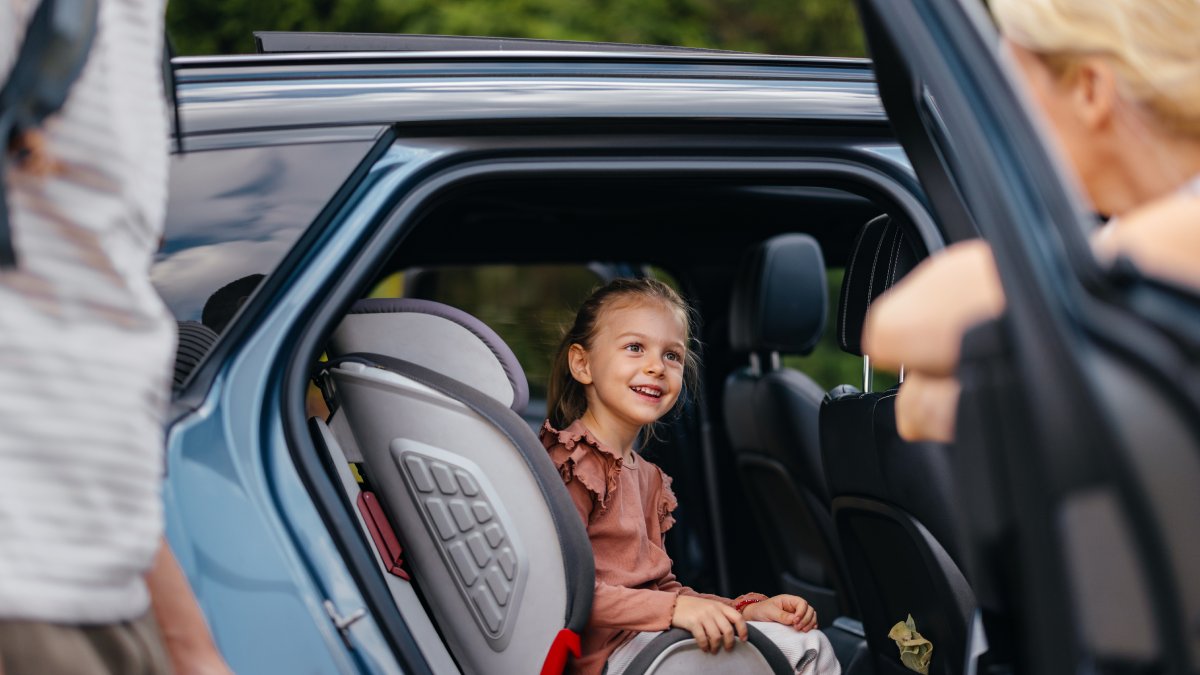
The ride to school is only half the story. The hours that follow — practice, clubs, vocational programs — shape a student’s sense of belonging just as much as anything that happens in the classroom. Most transportation planning stops at the final bell, which leaves students without a second ride and unable to participate in what happens after.
EverDriven’s research puts a number on that gap. Roughly 25% of caregivers say their child has had to give up an activity, club, or sport because of transportation, and 63% say their child would join more activities if a reliable ride were available. As Arielle, a teacher, put it: “If they don’t have a parent to pick them up, then they can’t participate, they can’t stay.”
Why Does Transportation Equity Extend Beyond the Classroom?
Equity conversations in K-12 transportation have traditionally centered on attendance: whether the student got to school. This article goes further, into whether the student can stay engaged in extracurriculars and vocational placements once the school day is technically over.
The School Day Doesn’t Really End at Dismissal
After-school life, including clubs, sports, cultural programs, and vocational programs, is an extension of the school experience. It gives students a chance to develop hobbies and talents and build stronger relationships with their peers outside the structure of a classroom. Without transportation built to reach these hours, participation becomes conditional on family logistics rather than student interest. A student’s schedule ends up shaped less by what they want to do and more by who can pick them up.
For Students Without a Second Ride, Participation Becomes a Challenge
When transportation stops at dismissal, students without a second ride face real consequences that extend well past missing a single activity.
- Missed clubs, sports, and enrichment programs that build skills outside the core curriculum
- Reduced access to leadership opportunities tied to extracurricular involvement
- Fewer informal peer connections that build school community over time
Belonging is Built Through Small, Daily Consistencies
A reliable, familiar ride is often a student’s first daily marker of being part of the school community. Interviews conducted as part of this research describe transportation as a form of belonging and independence, not just an accommodation. Richelle, a teacher, described the pattern directly: “They don’t actually get the chance to participate in clubs because it’s after school usually.”
Where Transportation Gaps Appear Across Student Life
Transportation gaps happen in several distinct but related parts of a student’s school life. Torrie, an administrator, described the impact: “They feel left out… not having that access can really impact their self-esteem. You wouldn’t really think that until you see it firsthand.”
After-School Clubs and Enrichment Programs
Club schedules rarely align with standard bus routes, which run on the same fixed schedule regardless of when a particular activity meets. A student who wants to join a robotics club or student newspaper often needs transportation that a standard route was never built to provide.
Vocational Placements
Students in vocational placements often travel on schedules that fall well outside a standard school day. Career-technical education placements, apprenticeships, and internships can start before the first bell or extend into the afternoon, and a single fixed route rarely covers both ends. When transportation cannot flex around these schedules, participation in the programs that build career skills and prepare students for life after graduation becomes conditional on whether a family can arrange a separate ride.
Sports and Athletic Participation
Practice and game schedules shift throughout a season and often run later than a typical school day. Students without a second ride are disproportionately affected, since athletic participation depends on transportation that can flex around changing practice times and away-game schedules.
Field Trips and Off-Campus Learning
Field trips and off-campus learning experiences often require separate logistics from a student’s daily transportation plan. That creates another access gap, particularly for students whose daily ride is already built around a specific accommodation.
Independence for Older Students
For transition-age students, appropriate and individualized transportation can support autonomy and a developing sense of independence, not only compliance with a service plan. Jackie, a teacher, framed it this way: “It allows for a nice little bit of independence while still very structured.”
How Can School Districts Close the After-School Access Gap?
Closing this gap requires treating after-school coverage as a planned part of a district’s transportation strategy rather than an exception to manage as it comes up.
- Extend Routing Beyond the Standard Bell Schedule: Districts can build routing plans that account for the range of after-school dismissal times tied to clubs, practices, and programs, rather than routing solely around the standard bell schedule.
- Track Participation Data Alongside Attendance Data: Pairing extracurricular participation data with attendance data can help districts see where transportation, not interest, is limiting a student’s involvement in school life.
- Build Flexible Communication for Late Pickups and Schedule Changes: Practices run long, rehearsals get rescheduled, and games go into overtime. Districts benefit from communication systems that can flex with these changes rather than defaulting to a fixed pickup window.
- Hold Transportation Partners Accountable for After-School Coverage: For districts that rely on Alternative Student Transportation partners, after-school and activity coverage should be a tracked capability, not an afterthought. Partners who cannot demonstrate coverage beyond the standard bell schedule should be asked to explain their operational approach.
How Does EverDriven Approach Transportation Equity?
EverDriven treats after-school access as part of the same consistency and reliability standard applied to the morning and afternoon ride.
Flexible, Adaptable Routing that Scales as Needs Evolve
EverDriven builds flexible, scalable routes that support a district’s existing transportation network rather than operating apart from it. Routes can adjust as practice schedules, club meeting times, and student needs change throughout the year.
Consistency as the Foundation for Access
Consistency underlies every part of EverDriven’s approach to access. According to EverDriven’s 2026 Safety and Operations Report, 83.6% of rides for students with disabilities were completed by the same driver, meaning the relationship and routine a student depends on carries through even as routing adjusts around them.
Visibility That Extends to Families and Staff
The RideAware app and TripCentral give families and school staff real-time visibility into ride status, extending to after-school pickups specifically, not just the standard morning and afternoon routes. That visibility reduces the uncertainty that often keeps families from committing a student to an activity in the first place.
A Model Built for the Full School Experience
EverDriven’s consistency and visibility model exists to support the full school experience, not just the trip to first period. Participation in school life should not depend on a family’s ability to arrange a second ride. Joleen, an administrator, described what that support has meant for her district: “EverDriven has been our constant. They never say no… they have been our lifeline.”
Every Student Deserves the Same Extracurricular Opportunities
Transportation equity means more than a student arriving at school on time. It means a student can stay for the club meeting, make it to practice, and build the peer relationships that come from being part of school life beyond the classroom. Reach out to EverDriven to learn how districts are closing the after-school access gap for the students who need it most.
FAQs
Why does transportation equity matter beyond attendance?
Attendance measures whether a student got to school, but it says nothing about whether they can stay engaged once the day ends. Roughly 25% of caregivers report their child has given up an activity because of transportation, which means equity gaps extend well past the morning ride.
Can school districts provide transportation for after-school activities?
Yes. Districts can extend routing to cover after-school dismissal times, though doing so often requires additional flexibility beyond a standard fixed-route bus schedule. Alternative Student Transportation providers can help fill this coverage without requiring additional fleet investment.
Is transportation to extracurricular activities covered under a student’s IEP or 504 plan?
Coverage depends on the specific plan and how a student’s needs are documented. In some cases, transportation to a related service or program tied to a student’s IEP or 504 plan may be included, so districts and families should review individual service plans directly.
How can parents and guardians advocate for better after-school transportation support?
Caregivers can raise the issue directly with their district’s transportation office and reference specific activities their child has missed due to a lack of a second ride. Documenting the pattern over time can help build a case for expanded coverage.
What can school districts do in the short term to close after-school transportation gaps?
Districts can start by tracking which students are missing activities due to transportation, then explore whether existing routes or a supplemental provider can be adjusted to cover the highest-need gaps first. Small, targeted changes often surface before a full routing overhaul is possible.
How does EverDriven support equitable access to school life?
EverDriven extends the same consistency and real-time visibility used for daily rides to after-school pickups, so participation in clubs, sports, and programs does not depend solely on a family’s ability to arrange a second ride.

Courtney Pallotta is an energetic, customer-driven marketing executive with more than 20 years of experience leading go-to-market strategy, branding, product marketing, demand generation, and customer advocacy for startup and growth-stage companies. As CMO at EverDriven, she leads the GTM team in delivering modern, student-centered transportation solutions that meet every student’s unique needs.
Courtney has built and scaled marketing functions across some of the most dynamic enterprise technology categories, from data warehousing and analytics to cloud infrastructure, data privacy, and SaaS. She has taken companies from stealth through IPO, led acquisitions, launched open-source platforms, and consistently built marketing engines that drive pipeline and market position. Along the way, she has developed a deep belief that the best marketing is both simple and authentic, and that listening to customers is the foundation for great products and lasting communities.
Outside of EverDriven, Courtney serves as a Board Member at the Gilliam Center for Entrepreneurship, where she mentors the next generation of business leaders.