

Welcome to The Right Ride: Voices Shaping the Future of Student Transportation, a new video interview series from EverDriven. We’re highlighting the leaders who are navigating today’s most complex transportation challenges—especially those impacting McKinney-Vento students, students with disabilities or with special education needs, and children in foster care.
This week, we sat down with Dr. LaFaye Platter—former district leader, executive coach, and systems thinker. With a background that spans business, education, and human development, LaFaye brings a rare ability to cut through institutional complexity and focus on what matters most: keeping students safe and supported.
From Boardrooms to Classrooms: A Nonlinear Path to Leadership
LaFaye’s journey into education didn’t start in the classroom. It began in business and commercial real estate. But after realizing she was a “words person, not a numbers person,” she shifted toward teaching—and never looked back. Her business acumen became a bridge, allowing her to introduce systems thinking into public education, especially in high-stakes, cross-departmental work like student transportation.
“The difficult thing about education is that a lot of times there is not an incentive for people to work across silos. That leads to the complexity of getting any issues resolved or leading any kind of change,” she said. “Rarely is there anything that needs to happen—especially like the implementation of Senate Bill 88—that’s not going to require people to work across silos.”
Beyond Compliance: Why SB 88 Is About Safety, Not Just Rules
For LaFaye, California Senate Bill 88 isn’t just a box to check. It’s a student safety mandate.
“It’s about making sure that those in charge… you are mitigating against lawsuits, you’re mitigating against complaints and you’re keeping students safe. It’s about all of those things. And that’s more than just a compliance issue. It’s about taking care of your own and taking care of the people and the students who are in your charge and in your care,” she said.
SB 88 requires school districts to meet new standards when compensating nontraditional drivers and using alternative vehicles. But its real weight comes from its potential to reduce harm. From background checks to vehicle inspections, it’s about ensuring every student, regardless of need, has a safe, vetted ride to school.
The Hidden Complexity of School Systems—and How to Navigate It
So why is SB 88 implementation so difficult? It’s not the bill—it’s the system.
LaFaye points to a few consistent barriers:
- Siloed departments that don’t share information
- Lack of shared incentives across HR, procurement, and transportation
- Weak communication and no clear point person
- Assumptions that email = leadership
“Email is not leadership. You do not build connection. You do not bring about substantive, long-lasting change by sending out emails,” LaFaye said. “When people don’t understand why they’re being asked to make changes in their policies, processes, and procedures, they tend to just really not buy in.”
Using Change Models to Get It Right
To move from idea to action, LaFaye recommends applying a formal change management model. Her key principles include:
- Create a compelling vision: People need to understand the why behind the policy.
- Skill up the team: Most staff won’t understand SB 88 unless they’re directly involved. You need intentional education and training.
- Designate a point person: Without a single responsible leader, there’s confusion and finger-pointing.
- Take the open door to them: Don’t wait for staff to ask for help—proactively engage with departments and individuals.
- Build trust: Emotional intelligence matters as much as logistics.
“Systems issues get mistaken for people problems. Fix the system first, and 99.9% of the people—when they know what to do, how to do it, how to engage with the work—are going to want to do it and they’re going to do it,” LaFaye said.
The E4 Model: A Simple Framework for Managing Transportation Change
To help districts operationalize transportation reform, LaFaye developed a straightforward model: E4—Expectations, Execution, Evaluation, Exit.
- Expectations: Set a clear vision for what success looks like.
- Execution: Don’t overtalk the plan. Assign ownership and take the first step.
- Evaluation: Give immediate, real-time feedback—don’t wait until it’s too late.
- Exit/Extend: Either conclude the initiative or formalize it into long-term processes.
“In education, we are excellent at starting things. But then we don’t tell people when we’re moving on to something different or when things have changed,” said LaFaye.
Advice for HR and Procurement Leaders
LaFaye emphasized that transportation reform can’t succeed without buy-in from HR and procurement. Her advice:
- Plan from the lawsuit: Assume your process will be tested. Work backward from the worst-case scenario.
- Bring transportation into cabinet meetings: Change starts with shared ownership at the executive level.
- Start now: Every day delayed increases risk.
What Gives Her Hope
Despite the challenges, LaFaye is optimistic about district leadership’s future.
“Leadership today is not what it was way back when I was in business school. I saw a huge shift in the notion of self-care. I saw a huge shift in the notion of inclusive leadership,” she said. “Leadership is about humans and it’s about people. And if we don’t take care of the people, the work doesn’t get done.”
She believes resilience is not just helpful—it’s teachable. And that no leader has to do this alone.
Final Takeaways
To implement SB 88 well, districts must:
- Appoint a single empowered leader
- Train every stakeholder, not just transportation heads
- Use structured change management models
- Replace email with face-to-face communication
- Create accountability through real-time evaluation
- Partner with experts like LaFaye and SB 88-compliant Alternative Student Transportation providers like EverDriven
About the Series
The Right Ride series shares insights from education leaders shaping the future of student transportation. From compliance to compassion, our goal is to elevate the voices behind today’s most critical transportation solutions.
For help navigating SB 88 or building a safe, inclusive modern transportation strategy, contact EverDriven.
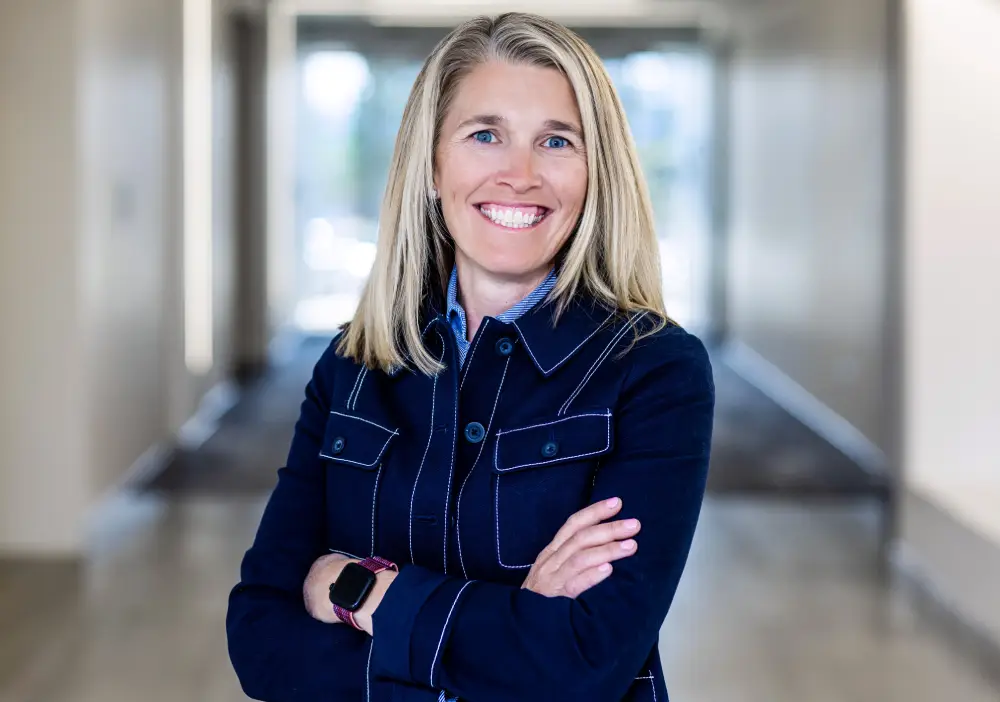
Courtney Pallotta is an energetic, customer-driven marketing executive with more than 20 years of experience leading go-to-market strategy, branding, product marketing, demand generation, and customer advocacy for startup and growth-stage companies. As CMO at EverDriven, she leads the GTM team in delivering modern, student-centered transportation solutions that meet every student’s unique needs.
Courtney has built and scaled marketing functions across some of the most dynamic enterprise technology categories, from data warehousing and analytics to cloud infrastructure, data privacy, and SaaS. She has taken companies from stealth through IPO, led acquisitions, launched open-source platforms, and consistently built marketing engines that drive pipeline and market position. Along the way, she has developed a deep belief that the best marketing is both simple and authentic, and that listening to customers is the foundation for great products and lasting communities.
Outside of EverDriven, Courtney serves as a Board Member at the Gilliam Center for Entrepreneurship, where she mentors the next generation of business leaders.