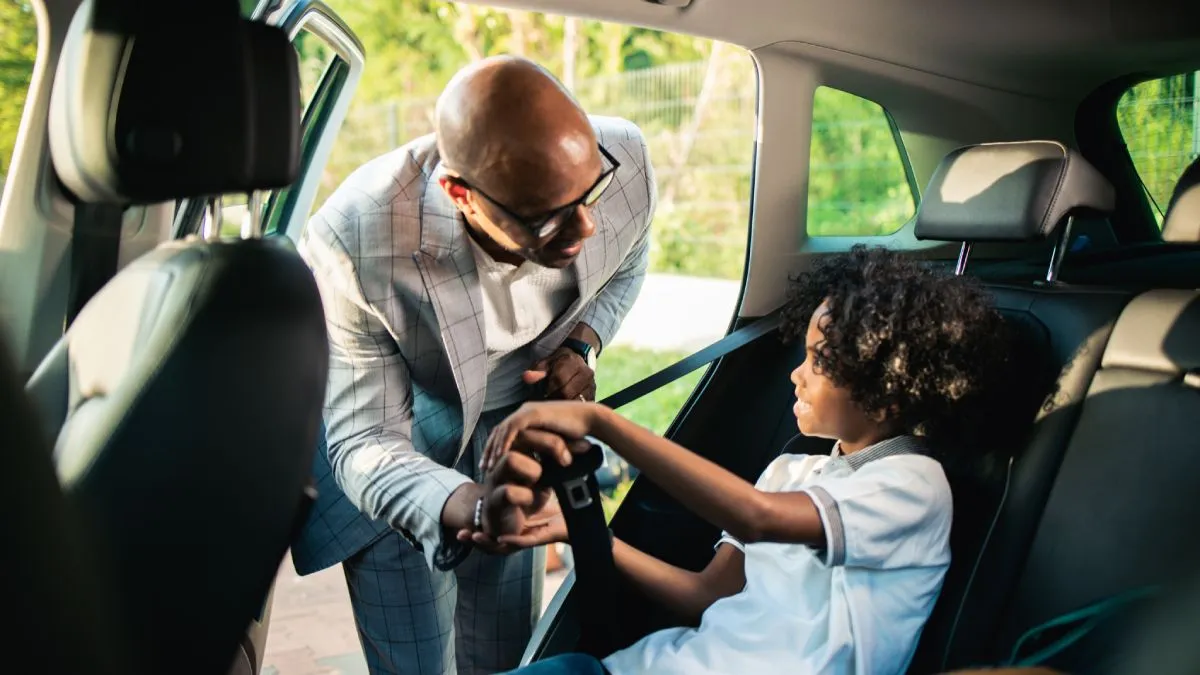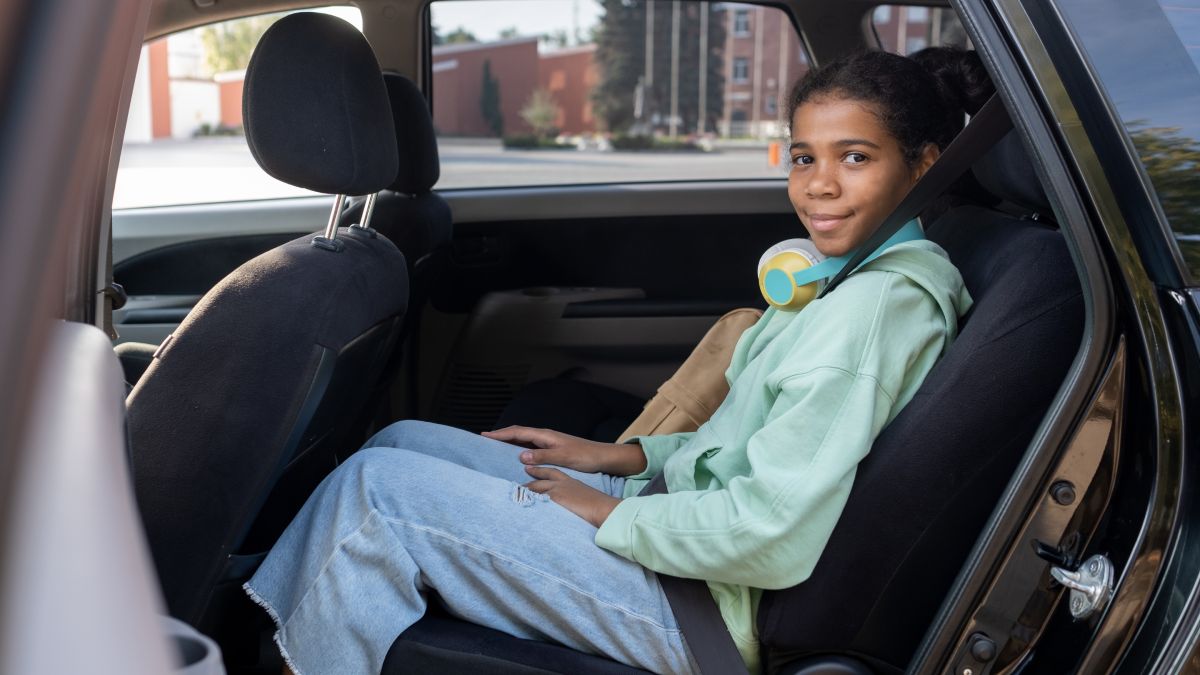
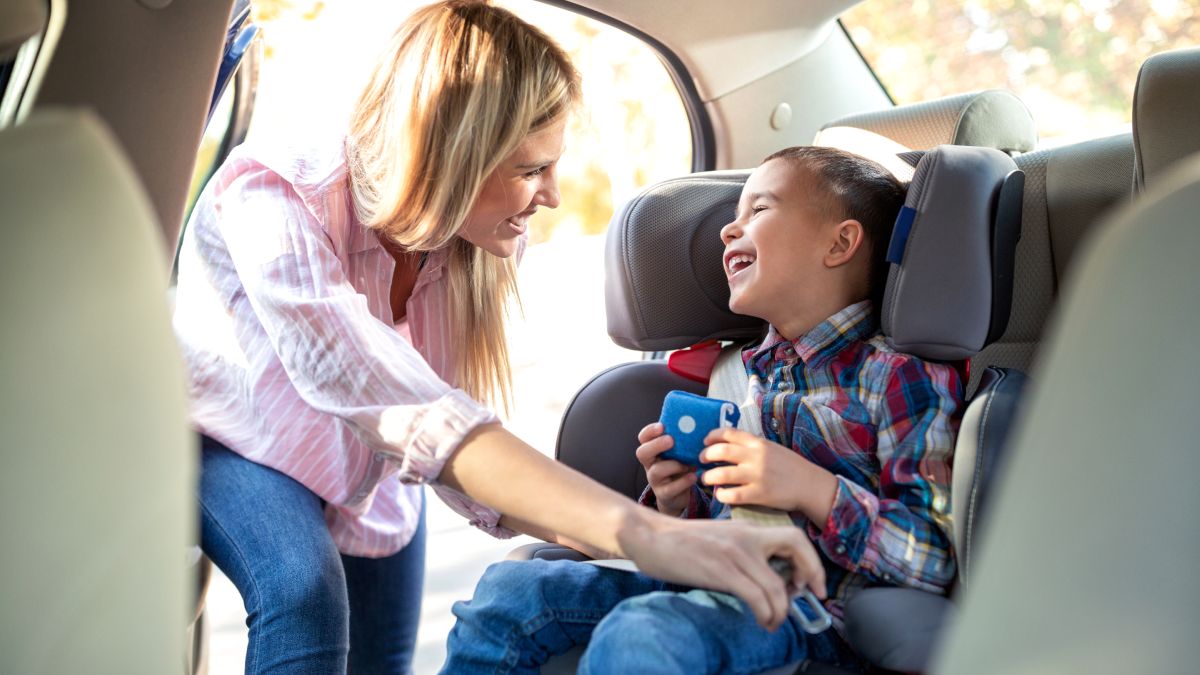
Texas charter schools were built on the promise of choice, and families across the state turn to them for specialized programs, from KIPP Texas and IDEA Public Schools’ college-prep models to Harmony Public Schools’ STEM focus and YES Prep’s rigor. But that choice only means something if a student can get to school. For families in Houston, Dallas, San Antonio, and Austin, transportation is often the deciding factor.
Texas charters, which often serve wide, sprawling geographies without a full transportation department, feel this challenge acutely, even with a state law that requires them to provide service. That is where technology comes in. From GPS tracking to smart, AI-assisted routing, modern tools are helping lean-staffed Texas charter schools meet that obligation without building out a full district-scale transportation operation.
Why Technology Matters More for Texas Charters
A traditional Texas district often employs a full routing team, compliance staff, and dispatchers. A charter school might have one operations manager juggling transportation alongside academics, facilities, and compliance. Technology helps close that gap. Tools once limited to large systems, including real-time GPS, student trip tracking hubs, and caregiver communication apps, are now available in cost-effective packages that even a single-campus Texas charter can adopt. With the right technology, charters can streamline logistics without a dedicated transportation staff, build trust with caregivers and families through transparency, meet compliance obligations more reliably, and reduce costs through smarter routing.
Increasing Safety Through Transparency
Safety is the top concern for Texas caregivers, and technology addresses it directly. GPS tracking gives administrators and families real-time visibility into where a vehicle is, so caregivers know when a ride is approaching and when their child has arrived safely. Onboard cameras and telematics create accountability, ensuring drivers follow safe practices and giving schools a way to review any incident. Collision avoidance systems, already common in modern fleets, are beginning to appear in student transportation vehicles too, adding another layer of protection.
This kind of visibility matters in a state where families have so many charter options to choose from and often select a school specifically because it feels like the right fit for their child. Consistency reinforces that trust. In EverDriven’s 2026 Transportation Consistency Research, 69% of caregivers said a reliable ride leaves their child noticeably calmer, and 65% of district administrators said consistent rides improve student readiness and behavior once students reach the classroom. Teachers described the same pattern from inside the classroom: 80% said inconsistent rides disrupt student behavior at school, and for nearly a third, it is a frequent or constant problem.
Communication With Families
Uncertainty is one of the most stressful parts of school transportation. Caregivers want to know if their child was picked up, why a ride is running late, and who is behind the wheel that day. Modern caregiver apps close that gap by sending alerts when a vehicle is approaching, confirming a student has boarded or been dropped off, and flagging delays from traffic or a substitute driver. In an emergency, two-way communication tools let Texas charter schools reach families instantly, replacing the phone chains that once defined school transportation.
Simplifying Compliance
Transportation compliance carries extra weight for Texas charters, since state law requires them to provide transportation to the same extent as districts and to document that service for state funding purposes. Federal obligations under IDEA, McKinney-Vento, and ESSA apply on top of that requirement for students with IEPs, students experiencing homelessness, and students in foster care. Technology eases that burden. Automated trip logs record who drove, which students were onboard, and when each ride occurred. Dashboards consolidate that data for audits, protecting Texas charters if their compliance or their state transportation allotment is ever questioned. Funding reports also help charters claim reimbursements they already qualify for, whether through Title I, IDEA, or the state’s own transportation allotment formula.
Equity as a Technology Outcome
When Texas families lack a reliable ride, chronic absenteeism often follows. A student experiencing housing instability might miss school for weeks because a route cannot be updated fast enough. A medically fragile student might struggle to attend if a transportation plan does not account for their needs. Smart routing adapts quickly when families move across a metro area or out into a more rural part of the state. Caregiver apps keep families informed and reduce daily stress. Compliance dashboards help ensure no student with a legal right to service is overlooked. Technology gives every Texas charter student, regardless of circumstance, a more reliable path to the classroom.
A Strategic Enrollment Advantage
Transportation also shapes enrollment. Texas families comparing charter options weigh reliable, transparent transportation as part of their decision, and a school that showcases GPS tracking, caregiver apps, or school transportation tracking hubs signals professionalism and inclusivity. That builds family confidence and strengthens enrollment over time, particularly in metro areas like San Antonio and the Rio Grande Valley, where charter enrollment already makes up more than one in ten public school students.
Practical Steps for Texas Charter Leaders
Charter leaders ready to modernize can start with three steps. First, assess needs by mapping student addresses and surveying caregivers to identify populations most at risk if transportation falls through. Second, select scalable technology, looking for Alternative Student Transportation providers that offer GPS, caregiver communication tools, and compliance dashboards as part of the package. Third, pilot the system with a subset of students, such as students facing housing instability or one grade level, before expanding it schoolwide.
Key Takeaway
Technology is transforming student transportation, and for Texas’s lean-staffed charter schools, the impact is especially significant given the state’s unique legal obligation to provide service. GPS tracking, caregiver apps, compliance dashboards, and smart routing give charter leaders the oversight and flexibility they need to meet that obligation while delivering safe, equitable, and reliable rides. For Texas charter leaders, investing in transportation technology is an investment in equity, compliance, and growth. Every safe, transparent ride builds trust with families, supports attendance, and strengthens the mission of access that defines the charter movement in this state.

Courtney Pallotta is an energetic, customer-driven marketing executive with more than 20 years of experience leading go-to-market strategy, branding, product marketing, demand generation, and customer advocacy for startup and growth-stage companies. As CMO at EverDriven, she leads the GTM team in delivering modern, student-centered transportation solutions that meet every student’s unique needs.
Courtney has built and scaled marketing functions across some of the most dynamic enterprise technology categories, from data warehousing and analytics to cloud infrastructure, data privacy, and SaaS. She has taken companies from stealth through IPO, led acquisitions, launched open-source platforms, and consistently built marketing engines that drive pipeline and market position. Along the way, she has developed a deep belief that the best marketing is both simple and authentic, and that listening to customers is the foundation for great products and lasting communities.
Outside of EverDriven, Courtney serves as a Board Member at the Gilliam Center for Entrepreneurship, where she mentors the next generation of business leaders.