
The yellow school bus is more than a mode of transportation—it’s a symbol of educational access, opportunity, and consistency. Its iconic status is well-earned, serving millions of students each day across the country.
For many students with additional needs or unstable housing, specialized transportation isn’t a luxury. It’s a prerequisite for attending school. For students navigating homelessness, living with disabilities, placed out-of-district, or residing in remote areas, transportation is the first step toward educational equity.
In fact, according to a 2024 School Bus Fleet survey, students with additional needs make up an average of 22% of school transportation riders —highlighting just how many learners depend on flexible, individualized transportation models.
These services are essential for making sure students can get to school safely, consistently, and in a way that respects their individual circumstances.
The Yellow Bus Matters—But It’s Not Built for Every Journey
There’s no question that school bus fleets are the foundation of district transportation. They’re high-capacity, cost-efficient, and deeply embedded into daily school operations. For the majority, they work well.
But even the strongest systems have limits. Traditional buses weren’t built to serve every transportation challenge—particularly those involving highly individualized needs. Their limitations include:
- Inflexible routing: Buses can’t quickly adapt to frequent address changes for displaced or McKinney-Vento students.
- Sensory overload: The noise and environment of a large school bus can trigger stress in students with a history of trauma or sensory processing differences.
- Medical limitations: Extended travel times without medical support can pose safety risks for medically fragile students.
- Misaligned logistics: Bus routes often don’t align with where displaced students live or where specialized programs are located.
These are not failures. They’re structural mismatches. They indicate that districts need more than one model to meet their student transportation needs.
Who Needs Specialized Student Transportation?
Specialized student transportation supports far more than a few exceptions. It serves thousands of students across districts every day.
Some of the most common groups that benefit include:
- McKinney-Vento and students experiencing displacement: These students often change residences frequently. Routes must be flexible, responsive, and capable of adjusting quickly.
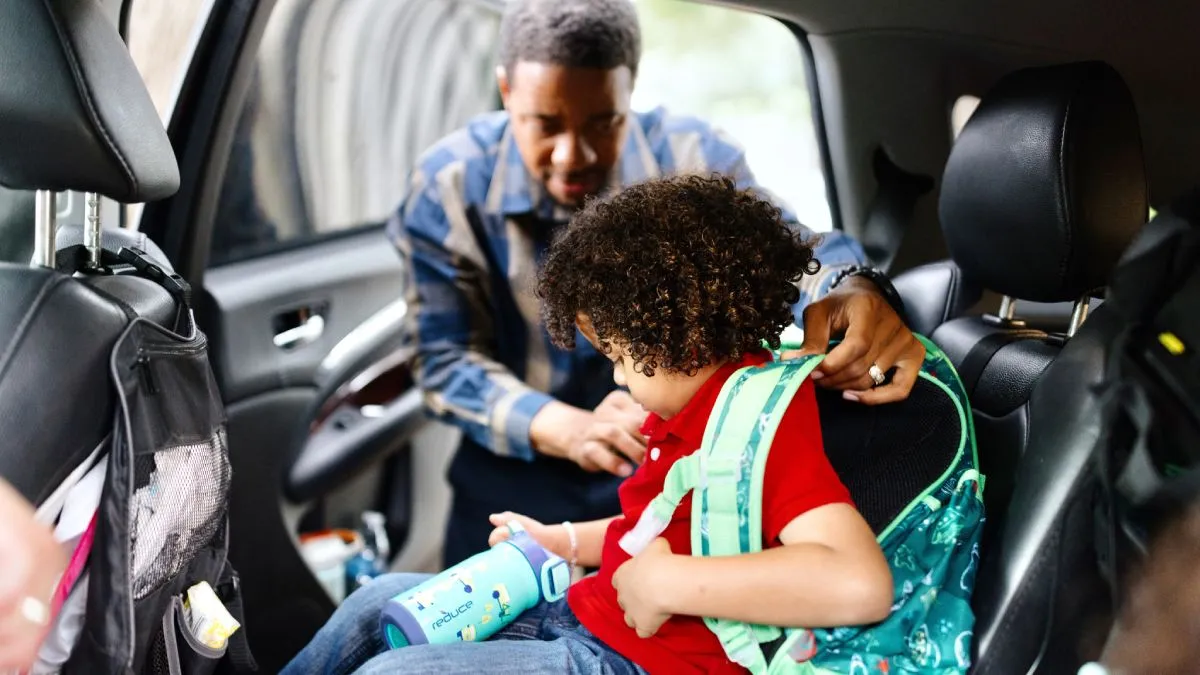
- Students with IEPs or medical needs: Some require shorter rides, quieter environments, one-on-one transportation, or vehicles equipped with medical support equipment.
- Students in out-of-district placements: Whether for therapeutic, academic, or behavioral reasons, these students often attend programs miles away from home.
- Rural students: In sparsely populated areas, it may be inefficient—or even impossible—for a full-size bus to reach every student home.
- Urban students: In dense city environments, buses face traffic congestion, limited curb space, and narrow streets. Smaller vehicles offer better flexibility.
Specialized transportation meets these needs with precision, responsiveness, and compassion.
Why Specialized Transportation is a District-Wide Need
Students who need specialized transportation are present in every school district, regardless of size or geography.
The impact of failing to meet their needs is far-reaching:
- Missed instructional time: Every late pickup or missed day compounds learning loss.
- Increased absenteeism: Inconsistent transportation leads to chronic absenteeism and academic setbacks.
- Safety and wellbeing risks: Students with medical, behavioral, or trauma-related needs may be placed in unsafe or emotionally harmful travel environments.
- Equity gaps: When some students can’t reliably access education, the promise of equal opportunity begins to break down.
- Compliance Risks: Districts unable to comply with state or federal student transportation laws can face costly fines.
- Funding Loss: Many districts rely on attendance or enrollment-based funding.
This isn’t about offering “extra” services. It’s about upholding a collective responsibility to educate every student.
How Specialized Transportation Supports Core Fleets
This isn’t a debate between traditional buses or specialized vehicles—it’s about building a hybrid, multi-modal transportation model that serves all students effectively.
By pairing traditional school buses with flexible, student-centered transportation services, districts can:
- Optimize core bus fleet usage by focusing buses on their most efficient, high-volume routes.
- Reduce strain on internal transportation teams by transferring specialized logistics to external partners.
- Deliver tailored, student-first transportation without overburdening district staff or families.
At EverDriven, we collaborate with school districts as an extension of their transportation team—supporting the students and scenarios that require more than a one-size-fits-all approach. Our specialized solutions ensure that every student—regardless of need—has a safe, reliable ride to school.
What Modern Student Transportation Means
While the yellow school bus still carries the majority of America’s students, it can’t be the only answer. A modern model for student transportation involves a flexible ecosystem of vehicles serving a wide variety of student needs. To keep up with rising demand, ensure equity, and maintain service quality, districts must adopt a tech-enabled transportation strategy—with specialized transportation as an essential way for districts to get students to school safely.
Specialized transportation fills the critical gaps that traditional systems were never designed to handle. It ensures that no student is left waiting—for a ride, for a seat, or for an opportunity to succeed.
Districts that embrace both traditional and specialized models position themselves to serve all students more effectively. Not just in theory—but in practice, every single school day.

AJ Kamara is a sales leader who has built and led teams across SMB, commercial, and enterprise environments, and who believes that strong culture and strong results are two sides of the same coin. As Regional Sales Director at EverDriven, he leads a team of Account Executives partnering with school districts to ensure every student has safe, reliable access to education. AJ’s career spans individual contributor, management, and director roles across some of the most dynamic companies in the technology and talent space. He has led sales teams focused on HR technology, work management software, and legal talent solutions, developing deep expertise in SMB, mid-market, and commercial selling motions along the way. He is also a recognized voice in the broader leadership and sales community, having been featured in industry publications, spoken at public events, and hosted conversations on entrepreneurship, resilience, and inclusive leadership. What distinguishes AJ as a leader is his approach to the people side of the job. He stays close to the work, partnering on complex deals, shaping methodology, and turning ambiguity into repeatable execution, while investing deeply in the individuals on his team. His goal isn’t just performance today; it’s momentum for what comes next. Outside of work, AJ is grounded by his family, whose influence shapes how he leads and how he shows up for the people around him.