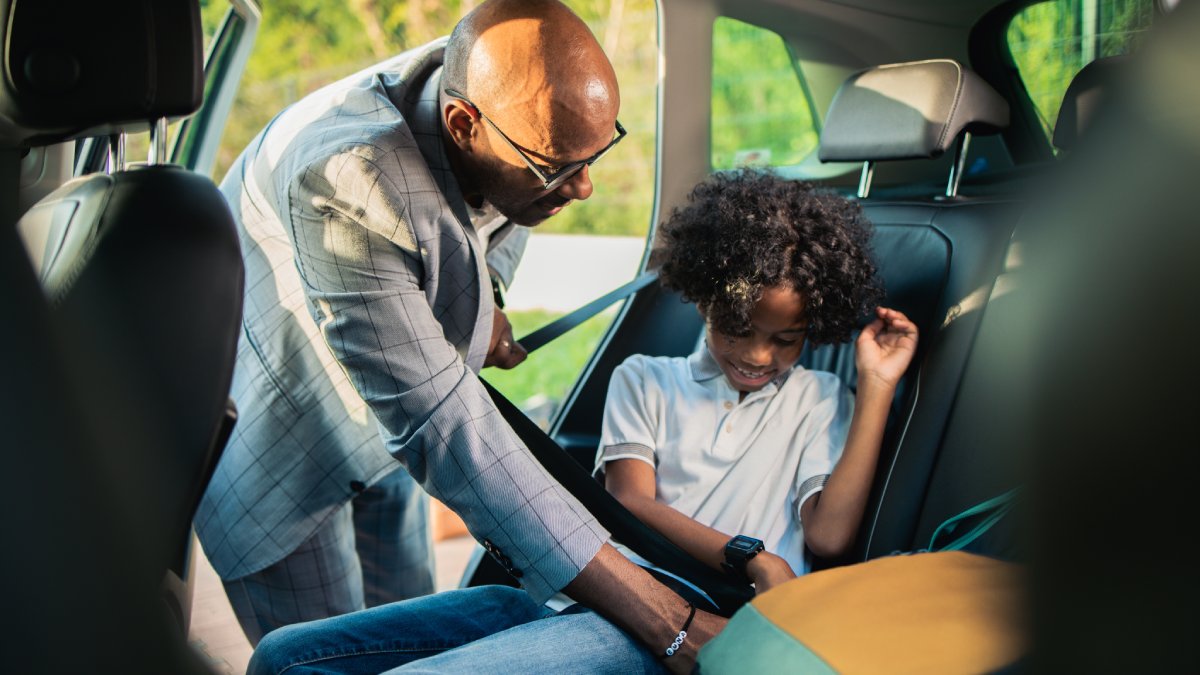
New national research shows that transportation consistency, not just access to a ride, directly shapes academic and social-emotional outcomes for students with additional needs. Conversely, when transportation is not consistent, districts face chronic absenteeism and lateness that leads to classroom disruptions, missed required services for students, and a loss of attendance-based funding. The findings give districts and transportation directors a clear, data-backed answer about where to focus limited time and resources for the greatest impact.
The report, Transportation Consistency is a Lifeline for Students with Additional Needs, included a qualitative survey of 812 parents and guardians, teachers, and school and district administrators, and 15 in-depth interviews across 10 states. The research was aimed at understanding how transportation reliability affects students on an IEP or 504 plan, students with medical fragility, students experiencing housing instability, students in foster care, and others who depend on specialized transportation.
Four Key Takeaways from the Report
The pattern that emerged was clear. When a student has transportation consistency (e.g. the same driver, the same vehicle, and the same pickup time every day), the effects reach far beyond the ride itself.
A Calmer Morning Sets Up the Whole Day
Forty-four percent of teachers say students arrive calm and ready to learn after a smooth transportation morning, compared to just 8% after a difficult one. Teachers see the difference immediately, with 80% saying inconsistent rides disrupt student behavior, and 32% calling it a frequent or constant problem. Once a student arrives dysregulated, the effects do not resolve quickly. Fifty-one percent of teachers say settling a student after a rough morning takes 30 minutes or more, and for 22%, it takes most of the morning or longer.
The Cost Extends into the Classroom
Transportation issues do not stay contained to the ride itself. Seventy-seven percent of teachers say they lose instructional time to transportation every week, and 71% lose at least a full day a week to transportation-related lateness or absenteeism. More than half, 54%, say they have to repeat lessons or run catch-up sessions as a result. Administrators feel this too, connecting transportation gaps directly to the attendance metrics their funding depends on. When rides are unreliable, the ripple effects appear in the numbers districts are already working hard to protect, from daily attendance to compliance reporting.
Richelle, a special education teacher in Georgia, described how quickly a transportation gap turns into an attendance problem. “It takes so long for our kids to actually get the transportation. They usually don’t get transportation for like three weeks,” she said. “And that’s three weeks of [missed] school. Most of our kids, they just don’t come.”
Families Stay Where They Can Count on the Ride
Reliability shapes decisions well beyond a single morning. Caregivers and families told us transportation is a major factor in where their child goes to school, and administrators have watched that play out directly, through school choice, transfers, and even withdrawals. For districts where funding follows enrollment, a dependable ride is a reason families stay.
Cynthia, a parent in Missouri, saw this firsthand when a family displacement put her daughter’s school placement at risk. Her daughter had been inducted into her school’s elementary National Honor Society, and losing her spot there weighed heavily. “That means she would have to change schools and everything she basically worked hard for,” she said. Once transportation was arranged to keep her daughter enrolled at the same school, she saw the change in her daughter immediately. “When she was told, hey, I’m going to accommodate it so you can get to the school and still finish the school year and be around your friends, she was up in the morning,” she said.
The Need is Bigger Than the Coverage
Most districts already recognize specialized student transportation matters. What the research points to is a gap between recognition and capacity. Administrators and teachers alike described students who qualify for specialized transportation but do not yet have it fully arranged, a gap that widens with tight funding or staffing issues. Closing it is where the greatest opportunity for improvement lies, for student outcomes and for the districts responsible for delivering them.
What This Data Means for Your District
These findings point to something districts and transportation leaders already sense from experience: consistency is one of the clearest levers available for improving outcomes for students with additional needs, both in the classroom and beyond it. It is the foundation the rest of the school day is built on.
The full report, Transportation Consistency is a Lifeline for Students with Additional Needs, breaks down the complete findings across all three respondent groups, including how reliability shapes family trust and enrollment, where the access gap is widest nationally, and what inconsistency costs districts in compliance and instructional time.
Download the full report to see what these findings mean for your district’s students, families, and bottom line.
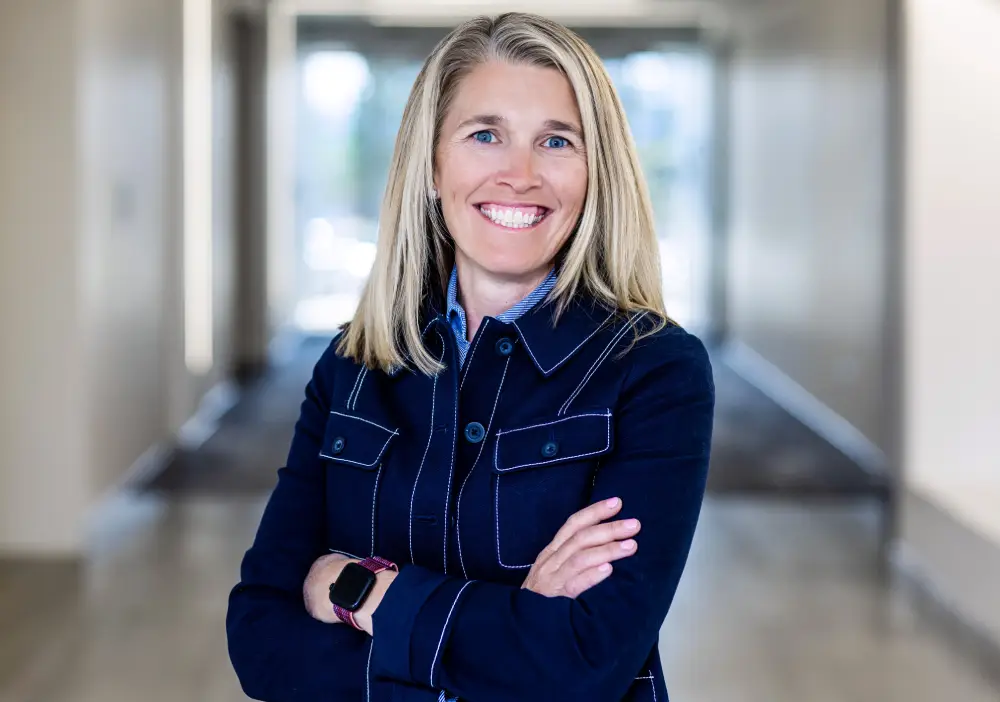
Courtney Pallotta is an energetic, customer-driven marketing executive with more than 20 years of experience leading go-to-market strategy, branding, product marketing, demand generation, and customer advocacy for startup and growth-stage companies. As CMO at EverDriven, she leads the GTM team in delivering modern, student-centered transportation solutions that meet every student’s unique needs.
Courtney has built and scaled marketing functions across some of the most dynamic enterprise technology categories, from data warehousing and analytics to cloud infrastructure, data privacy, and SaaS. She has taken companies from stealth through IPO, led acquisitions, launched open-source platforms, and consistently built marketing engines that drive pipeline and market position. Along the way, she has developed a deep belief that the best marketing is both simple and authentic, and that listening to customers is the foundation for great products and lasting communities.
Outside of EverDriven, Courtney serves as a Board Member at the Gilliam Center for Entrepreneurship, where she mentors the next generation of business leaders.