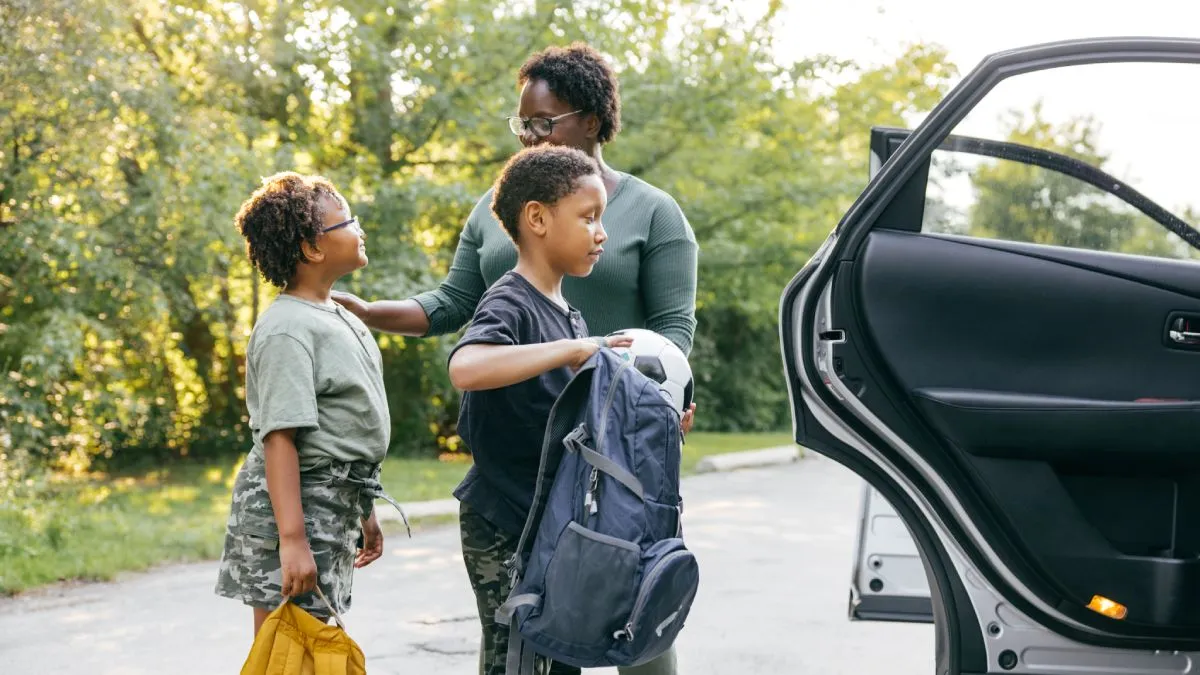

The landscape of student transportation is shifting fast. Districts continue to manage nationwide bus driver shortages. Families need more flexible transportation options. Students covered under the Individuals with Disabilities Education Act (IDEA), McKinney-Vento, and foster care laws require dependable small-vehicle support that traditional buses cannot always deliver.
More districts now rely on third-party student transportation companies to fill these gaps. But not all providers offer the same capabilities, safety standards, or compliance expertise. This guide helps district leaders understand the categories of student transportation companies, compare options, and determine what matters most when selecting the right partner.
Top Student Transportation Companies for Schools (By Category)
Student transportation is not a one-size-fits-all market. Each company type serves different needs and populations. Understanding these segments helps districts evaluate providers more effectively and ensures students receive the right level of support.
Before diving into each category, here’s a quick reference table summarizing the overall landscape:
| Provider Type | Overview | Examples |
| Full-Service School Bus and Fleet Providers | Large yellow-bus companies delivering routed services for general education and some special education populations. | Zum, National Express, First Student |
| Supplemental and Alternative Student Transportation Providers | Small-vehicle, high-flexibility providers that fill gaps buses cannot cover, especially for students with unique or high-need requirements. Nationwide coverage. | EverDriven, First Alt, Adroit |
| Regional or Niche Transportation Providers | Local or regional vendors offering limited geographic coverage or specialized services. | Sheprd (northeast U.S. only), Transdev/First Transit local subsidiaries |
| School District-Operated Fleets | District-owned vehicles and staff providing transportation in-house for general and special education needs. | National Express, Student Transportation of America, Beacon Mobility |
Full-Service School Bus and Fleet Providers (Traditional Bus Services)
These companies operate large yellow-bus fleets and support daily routed transportation at scale. They are essential for general education services and for predictable, high-volume routes. However, they often lack the operational flexibility required for students with medical needs, unstable housing, or out-of-district placements.
Supplemental and Alternative Student Transportation Providers (Flexible Support)
Alternative Student Transportation providers specialize in small-vehicle, on-demand, and highly individualized solutions. They help districts support students whose needs cannot be met through traditional fleet models.
These companies often focus on IDEA, McKinney-Vento, foster care, early childhood, rural access, charter school students, and medically fragile students. They offer more visibility for schools and parents, safety oversight, and compliance alignment than traditional ride-share options.
EverDriven is the most established provider in this category, serving high-need populations with vetted drivers and strict safety standards.
Regional or Niche Transportation Providers (Local/Regional Options)
Some districts work with small regional transportation vendors. These companies may provide strong community relationships and familiarity with local geographies. But their coverage is often limited, and their operational systems vary widely. Few offer the training, compliance reporting, or scalability required for high-need student groups at scale.
District-Operated Fleets (Vehicles Owned/Managed By Districts)
Many districts still run their own fleets. This model offers full control over hiring, operations, and routing. However, districts face increasing challenges: driver shortages, rising operating costs, and difficulty scaling for specialized programs. Small-vehicle service is particularly hard to staff in-house. As a result, districts often pair in-house fleets with external alternative transportation partners.
Choosing the right provider involves more than checking fleet size or price. Districts need partners who understand compliance, student safety, and operational complexity.
Safety and Driver Vetting Standards
Safety should be non-negotiable. Providers must conduct national background checks, motor-vehicle history reviews, drug and alcohol screenings, continuous monitoring, and mandatory child-safety training. Districts should also ensure drivers can meet specialized requirements, such as working with medically fragile students or those experiencing housing instability. It’s important to note that some ridesharing and Transportation Network Companies (TNCs) do not meet these safety requirements for students.
Compliance and Regulatory Alignment
Transportation is an extension of federal protections under IDEA, McKinney-Vento, Every Student Succeeds Act (ESSA), and state-level pupil transportation regulations. Providers must understand these frameworks and integrate eligibility rules, documentation standards, and service guidelines into daily operations. The right partner reduces compliance risk and ensures districts maintain federal funding alignment.
Availability of Monitors or Ability to Support District Monitors
A student transportation provider should be able to provide access to qualified monitors, or professionals who ride along with the student to ensure safety, manage behavior, help with entering/exiting the vehicle, and provide support with specialized equipment or needs. Transportation providers should also accommodate district-provided monitors if that is the preference.
Scalability and Operational Support
District needs change constantly. Providers should scale during enrollment spikes, program changes, and unexpected placement shifts. Support teams, routing tools, real-time dashboards, and fast response protocols matter as much as vehicle availability. Districts should also evaluate whether a provider offers 24/7 support for urgent changes.
Training and Specialized Care Capabilities
High-need students often require individualized care. Providers must deliver hands-on training and driver education for:
- Wheelchair securement
- Car seats and safety vests
- Medical or behavioral protocols
- Multi-party custody and handoff procedures
Specialized education can be the difference between a safe ride and a service interruption.
Technology, Visibility, and Tracking
Districts increasingly expect real-time data. Providers should offer GPS tracking, in-ride cameras for visibility for families, streamlined reporting for compliance, and automated communication tools, including district portals and parent apps. Transparent systems build trust and reduce administrative burden.
EverDriven’s Approach to Modern Student Transportation
EverDriven supports districts nationwide with a student-centric, safety-first, compliance-aligned small vehicle model designed specifically for high-need populations and students who don’t fit within traditional bus routes. Drivers are vetted, educated, and approved through a multi-layer safety process built around the needs of IDEA, McKinney-Vento, foster care, and out-of-district placements.
Rides include built-in visibility, GPS tracking, consistent drivers for students with disabilities, and documented handoff procedures to ensure students arrive at school safely and consistently.
EverDriven’s operational model is designed to flex with district needs. Districts rely on EverDriven when routes change, when schools need rapid onboarding for McKinney-Vento students, and when high-complexity schedules demand precision. As one district leader, Julia Hutchinson from Wichita Public Schools, recently shared, “EverDriven provides reliable transportation options for many students. Their service is very responsive and has the ability to pivot quickly and adjust to our needs. Drivers are well trained and Wichita Public Schools is lucky to have them as a partner!”
District leaders can explore more about how EverDriven supports modern student transportation here: https://www.everdriven.com/alternative-student-transportation/
If your district needs a reliable partner for specialized or small-vehicle transportation, connect with the EverDriven team to discuss your needs.
FAQs
How do I choose the best student transportation company for my district?
Look for providers with strong safety practices, experience serving high-need students, and proven compliance processes. Prioritize companies that can scale, provide real-time visibility, and demonstrate district references or measurable outcomes.
How are drivers vetted and trained in student transportation companies?
High-quality providers use layered background checks, motor-vehicle record reviews, drug and alcohol screening, and continuous monitoring. Drivers should also receive hands-on training specific to student needs, such as securement, behavior support, and safe handoff procedures.
Are student transportation companies required to meet the same regulations as school buses?
Regulations vary by state, but all providers must adhere to federal protections under IDEA, McKinney-Vento, and related laws. Small-vehicle providers must meet state pupil transportation standards and follow district-defined safety requirements.

Morgan Judge is an attorney and regulatory strategist with a rare combination of legislative, legal, and private sector expertise. As Senior Director of Compliance, Regulation, and Policy at EverDriven, she leads government relations and regulatory strategy for a company operating at the intersection of technology, education, and a rapidly evolving policy landscape , overseeing multi-state legislative and compliance initiatives, managing contract lobbyists, and working across teams to advance policies that align with EverDriven’s mission and growth.
Morgan’s foundation in law and policy runs deep. She earned her law degree from Loyola University New Orleans School of Law and gained early experience through legal clerkships researching civil law, criminal procedure, and local government policy. She then spent six and a half years as a nonpartisan staff member in a state legislature, working her way from enrolling clerk to senior projects and calendar manager. In those roles she developed deep fluency in legislative process, parliamentary procedure, and the mechanics of how policy actually gets made, experience that now gives her a distinctive edge navigating state-level regulatory environments on EverDriven’s behalf.
Morgan joined EverDriven in 2021 and has grown steadily within the organization, moving from Regulatory Compliance Manager to Director to her current Senior Director role. She is a visible voice in the student transportation policy community, regularly engaging at national industry conferences and advocating for regulatory frameworks that reflect the realities of modern, technology-enabled student transportation.